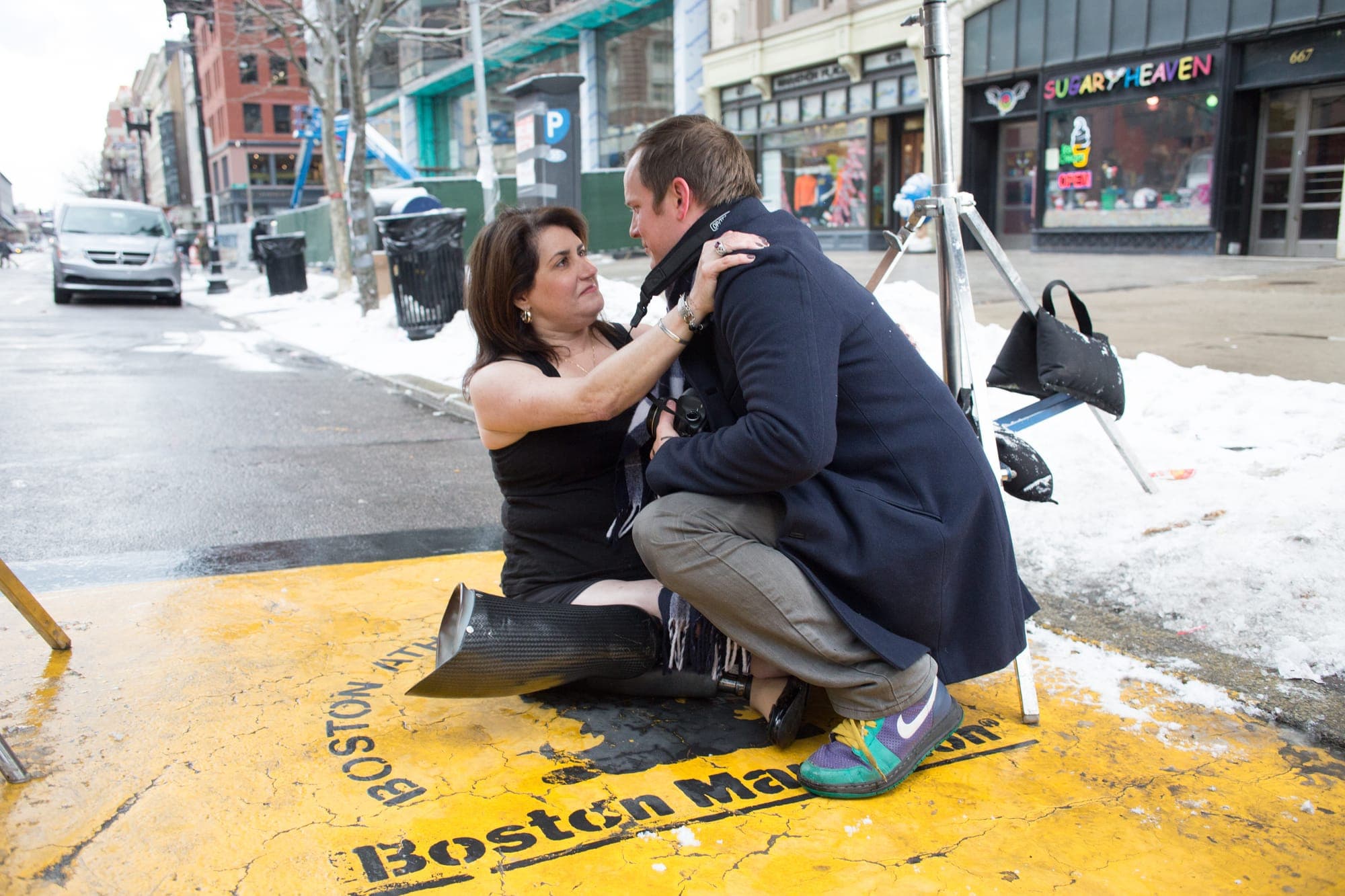
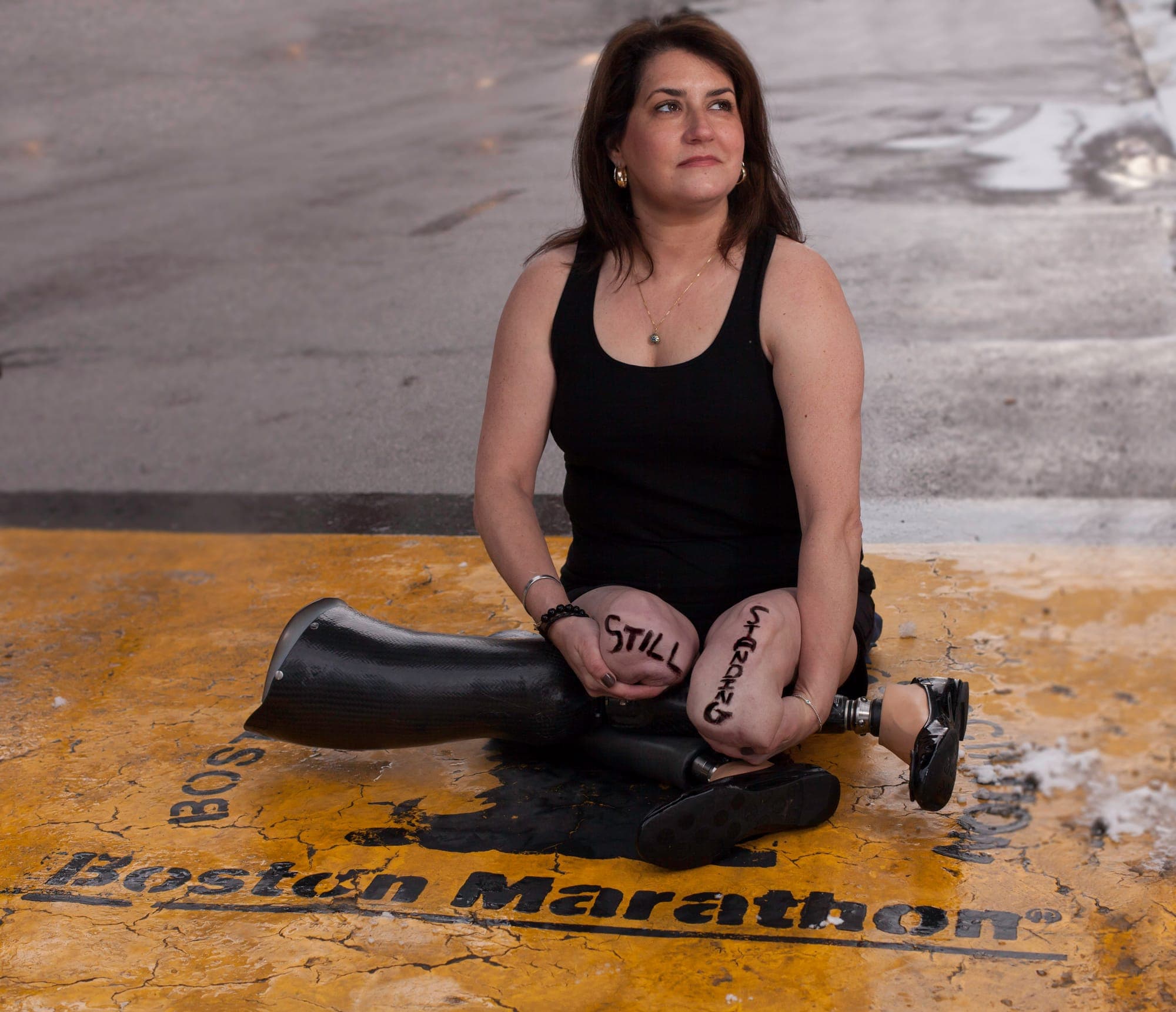
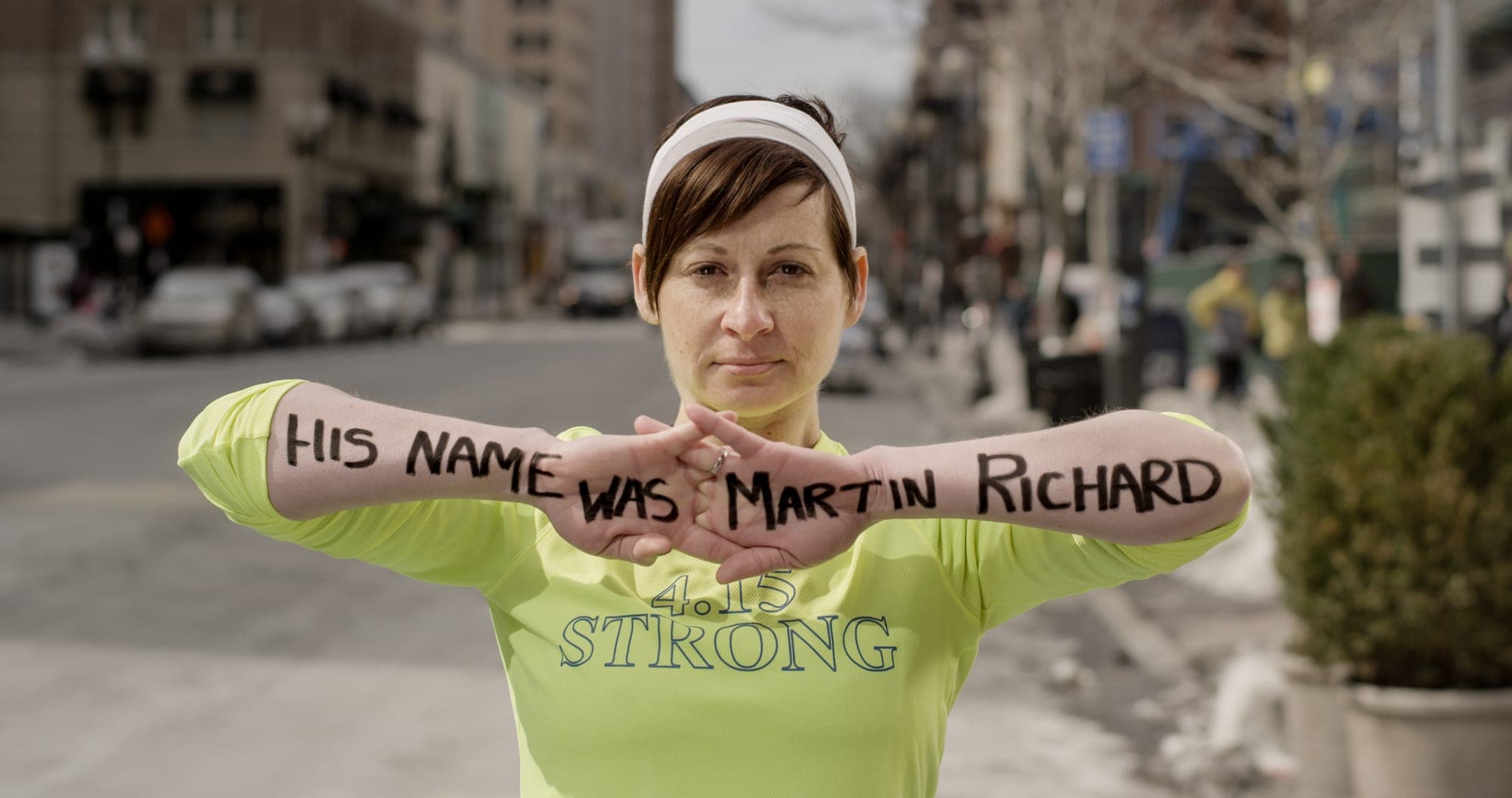
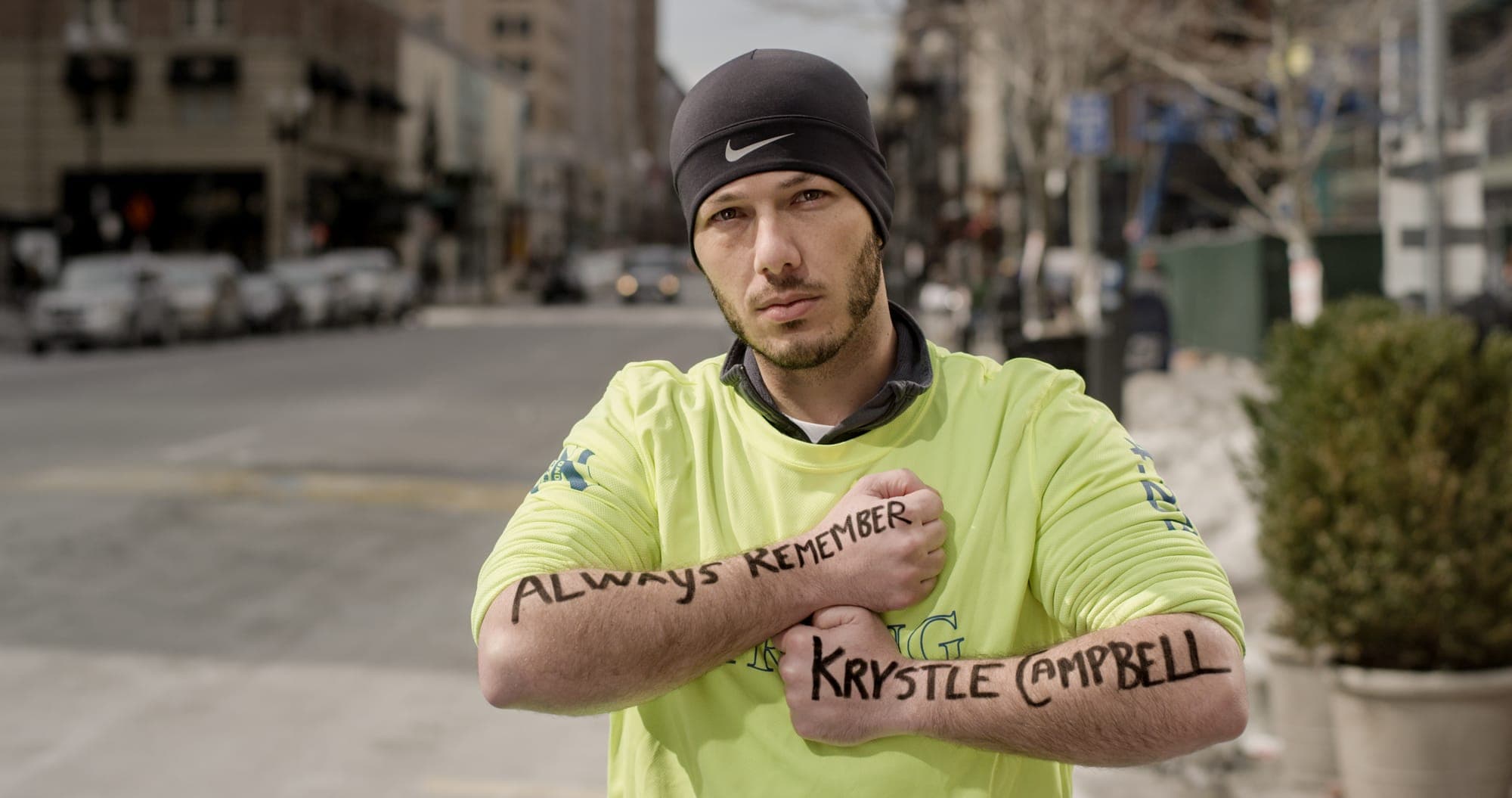
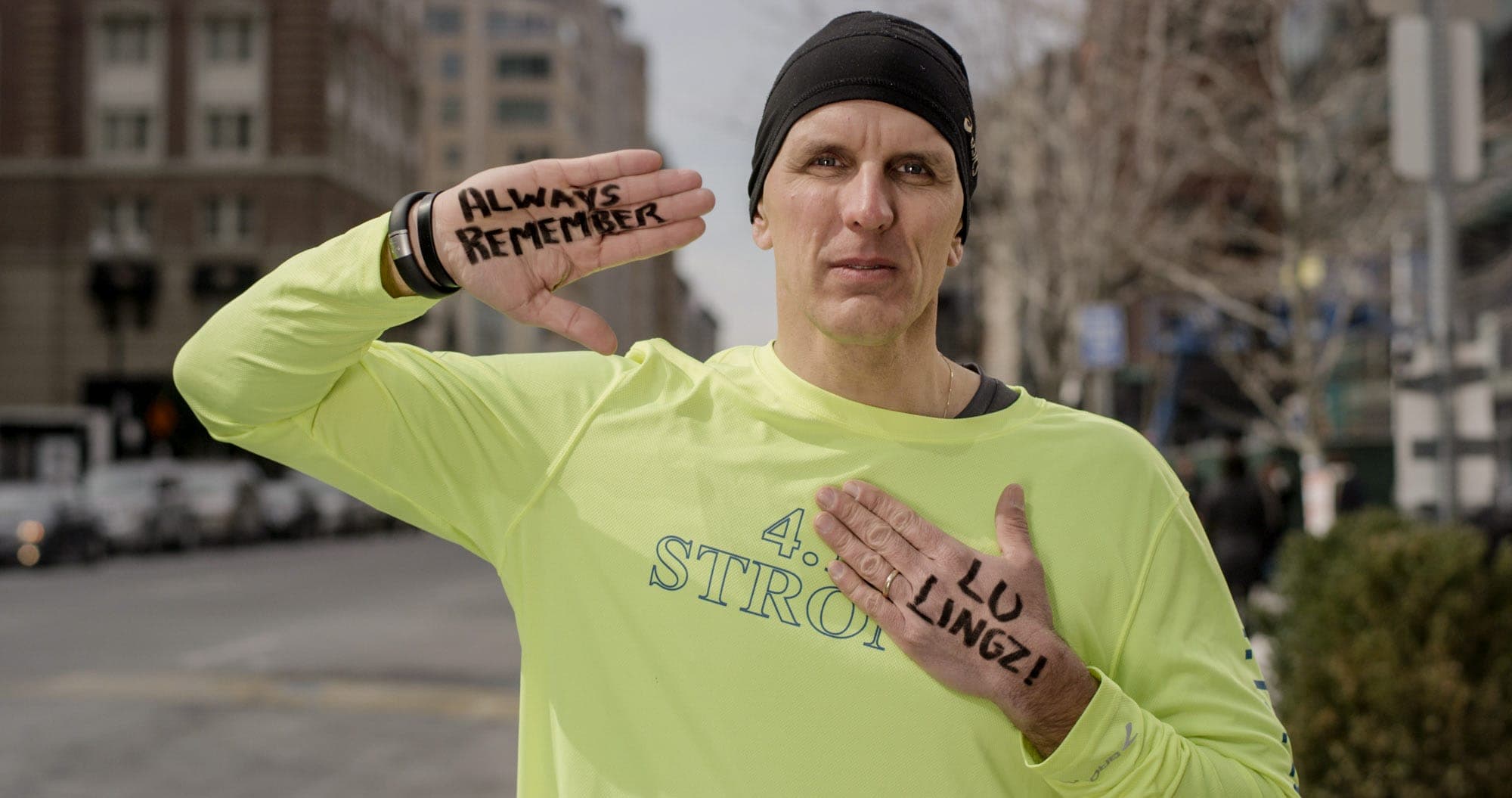
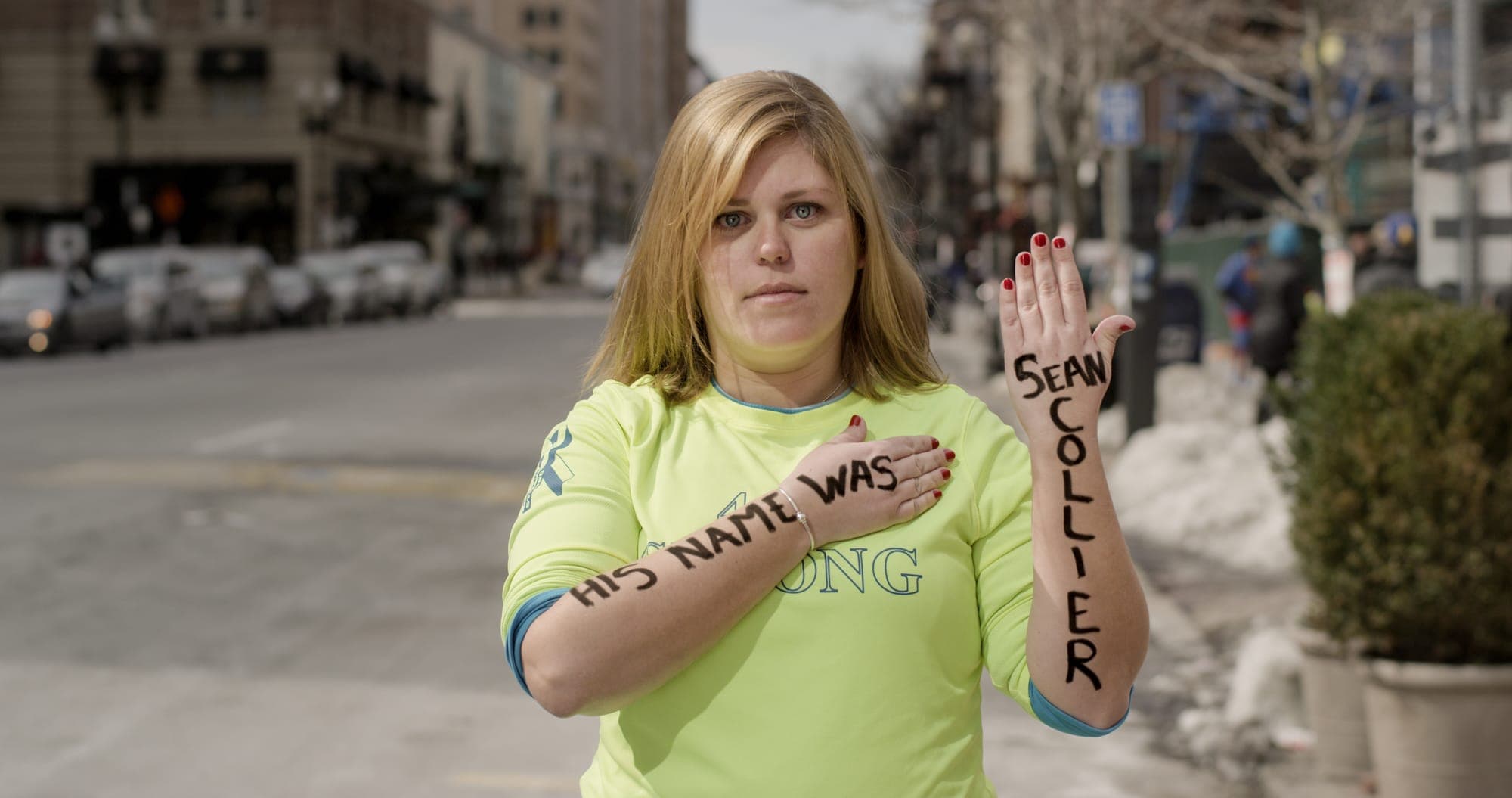
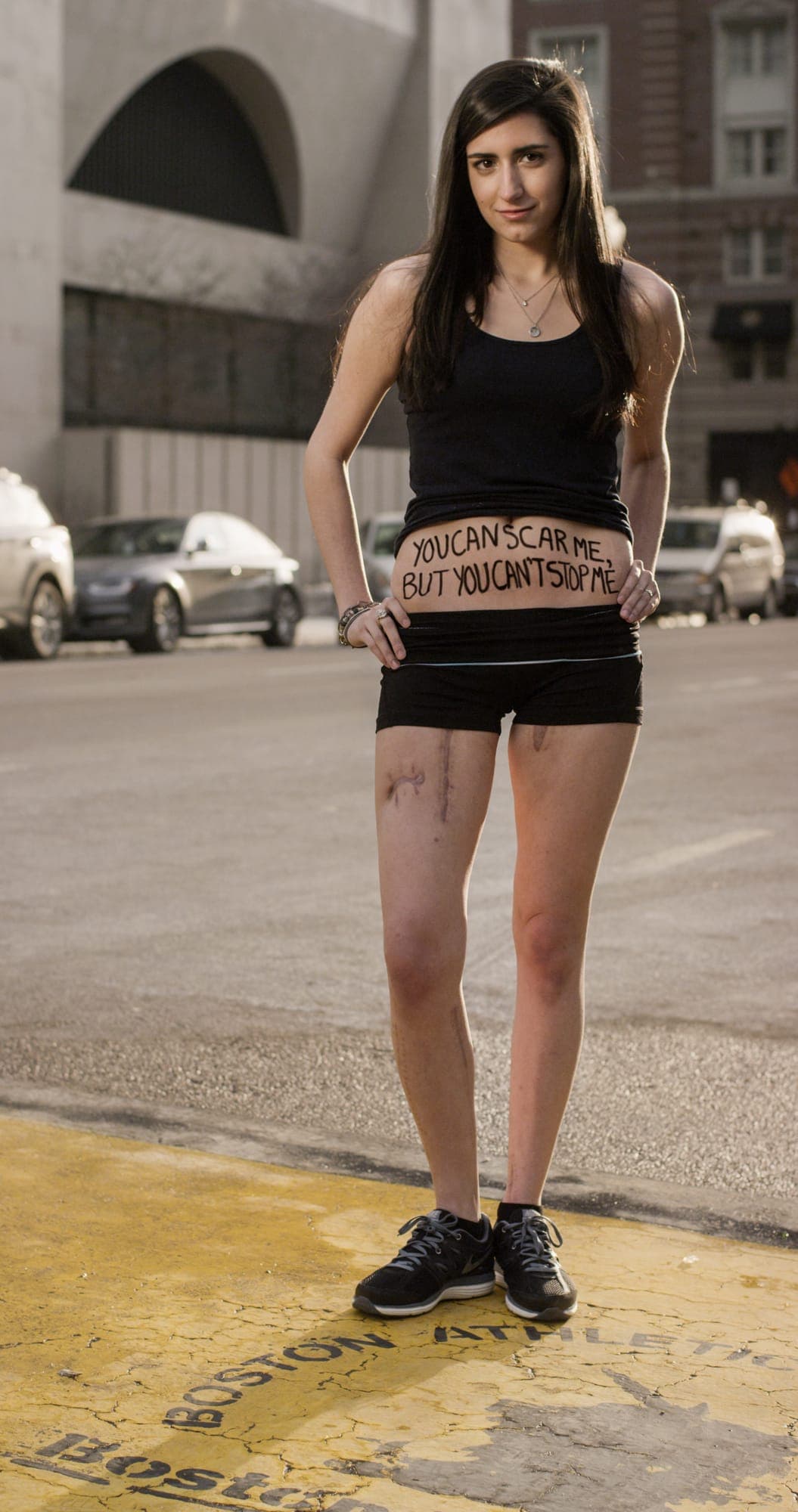
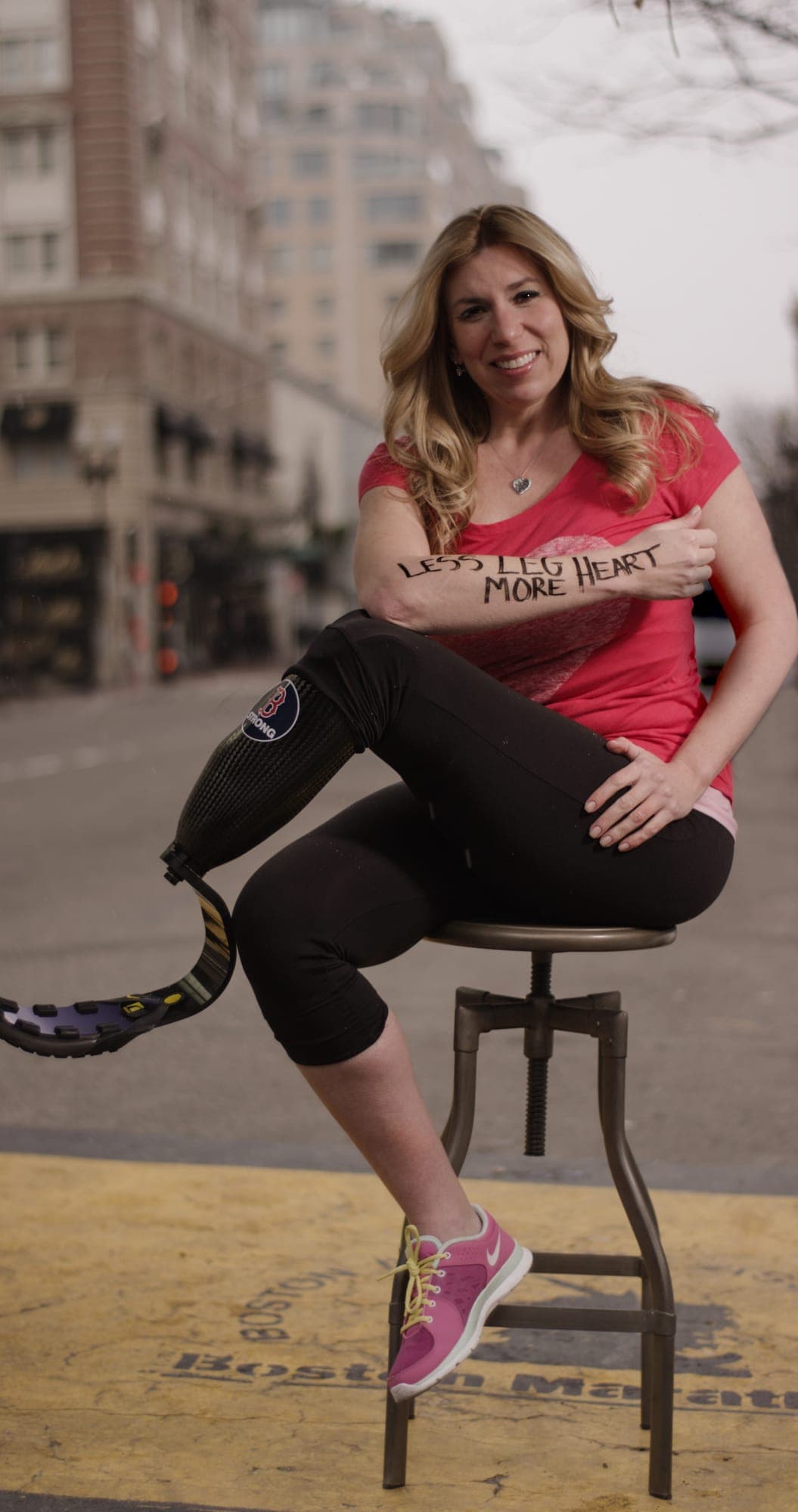
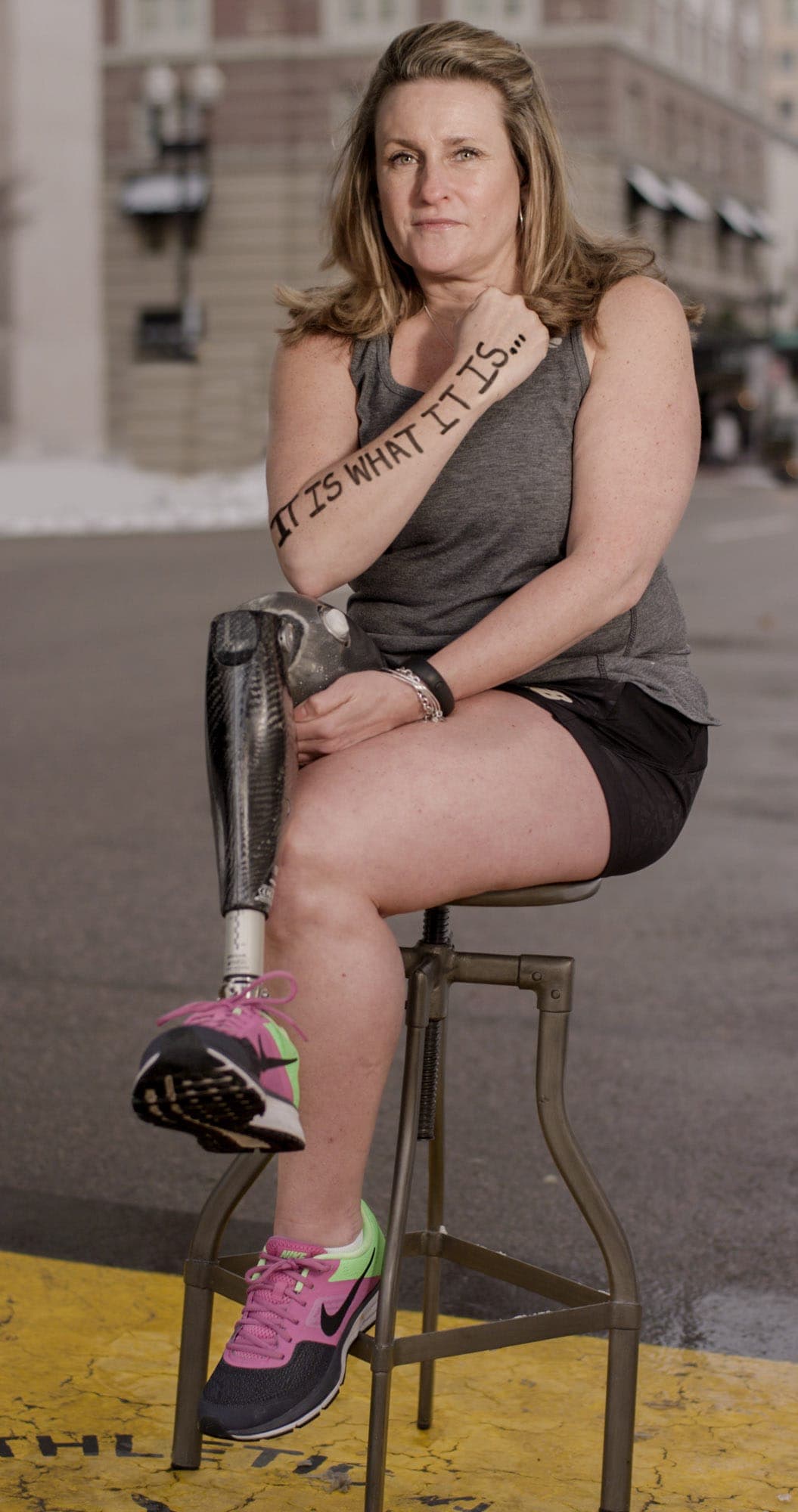
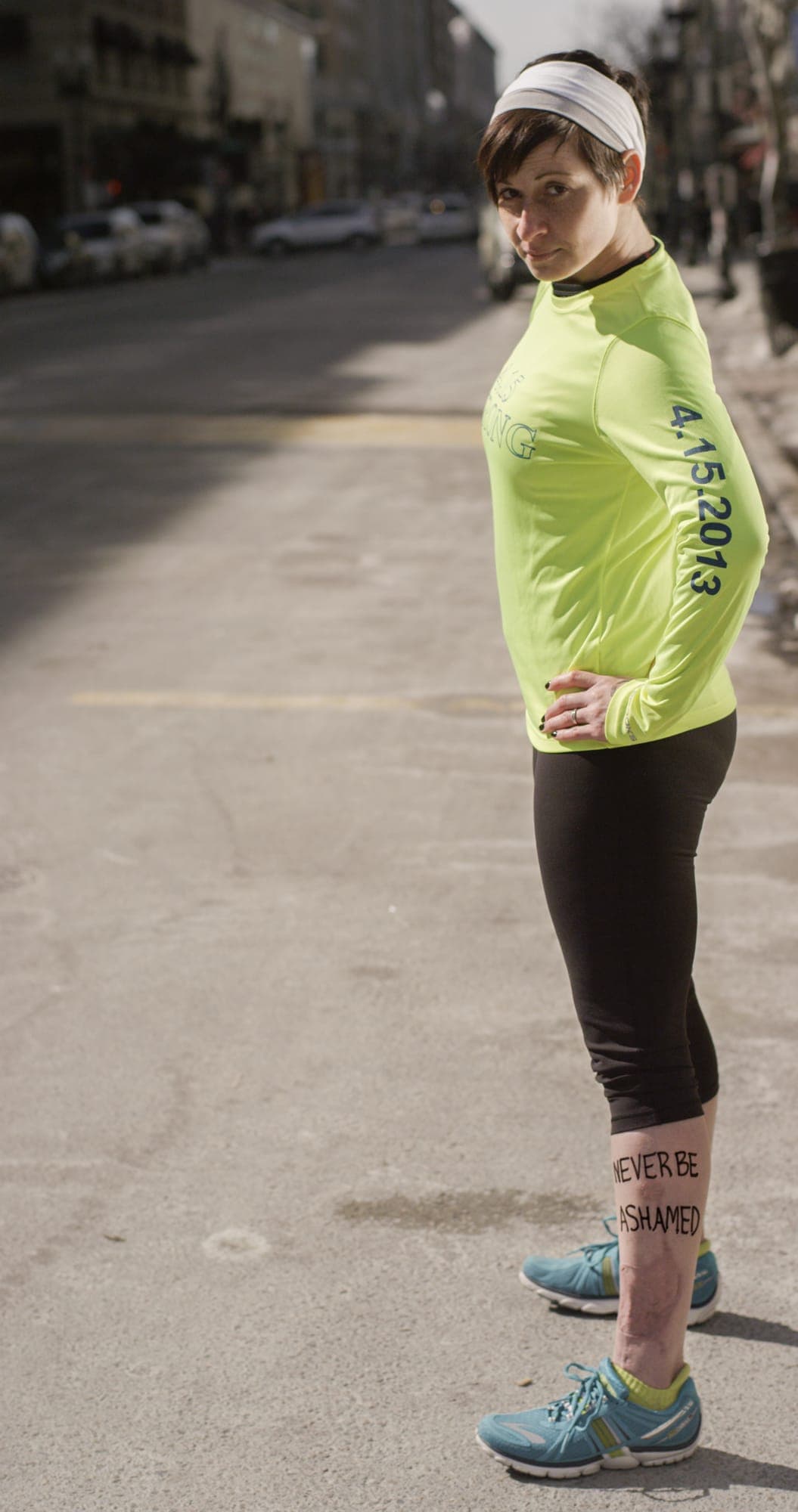
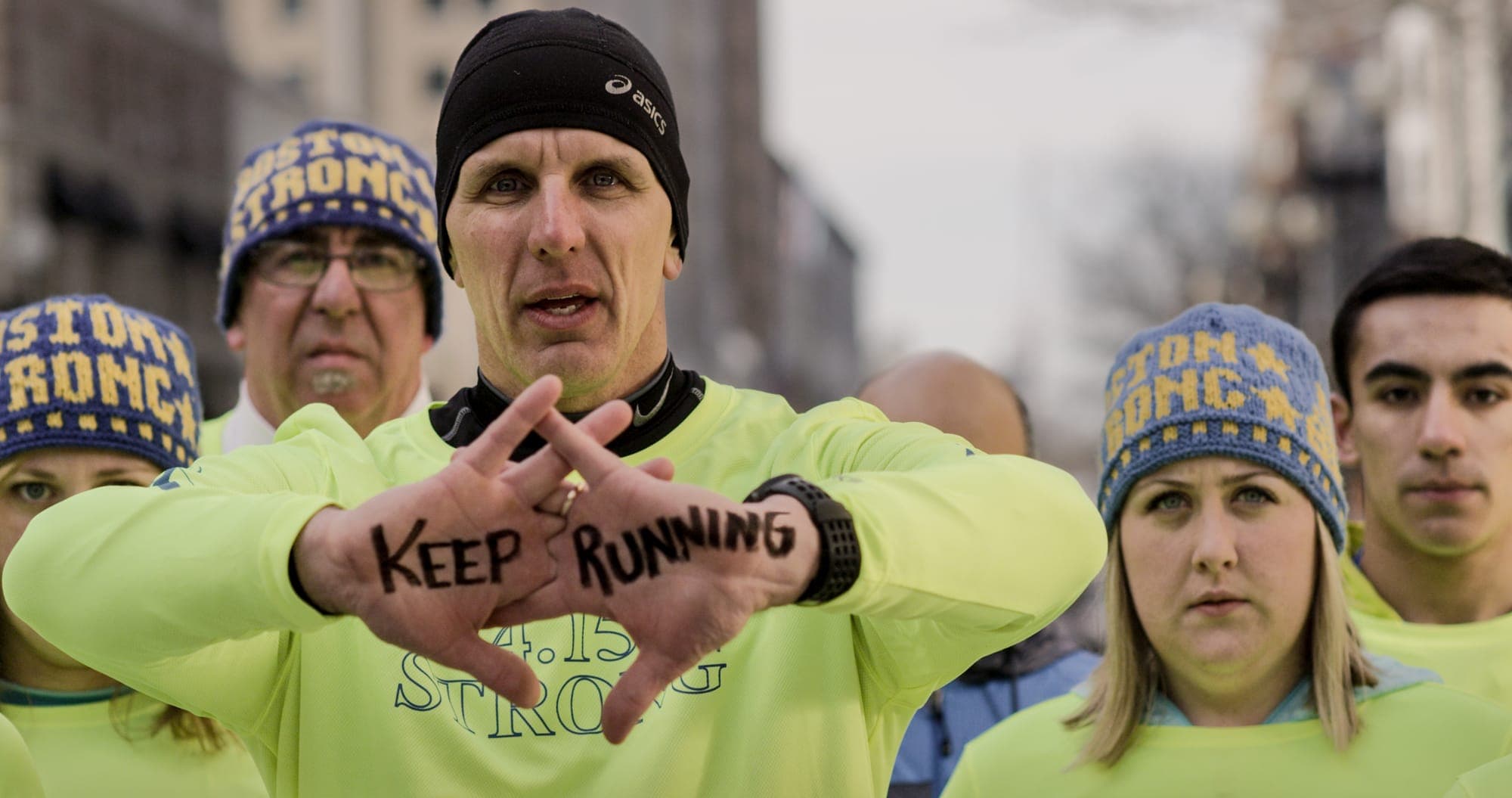
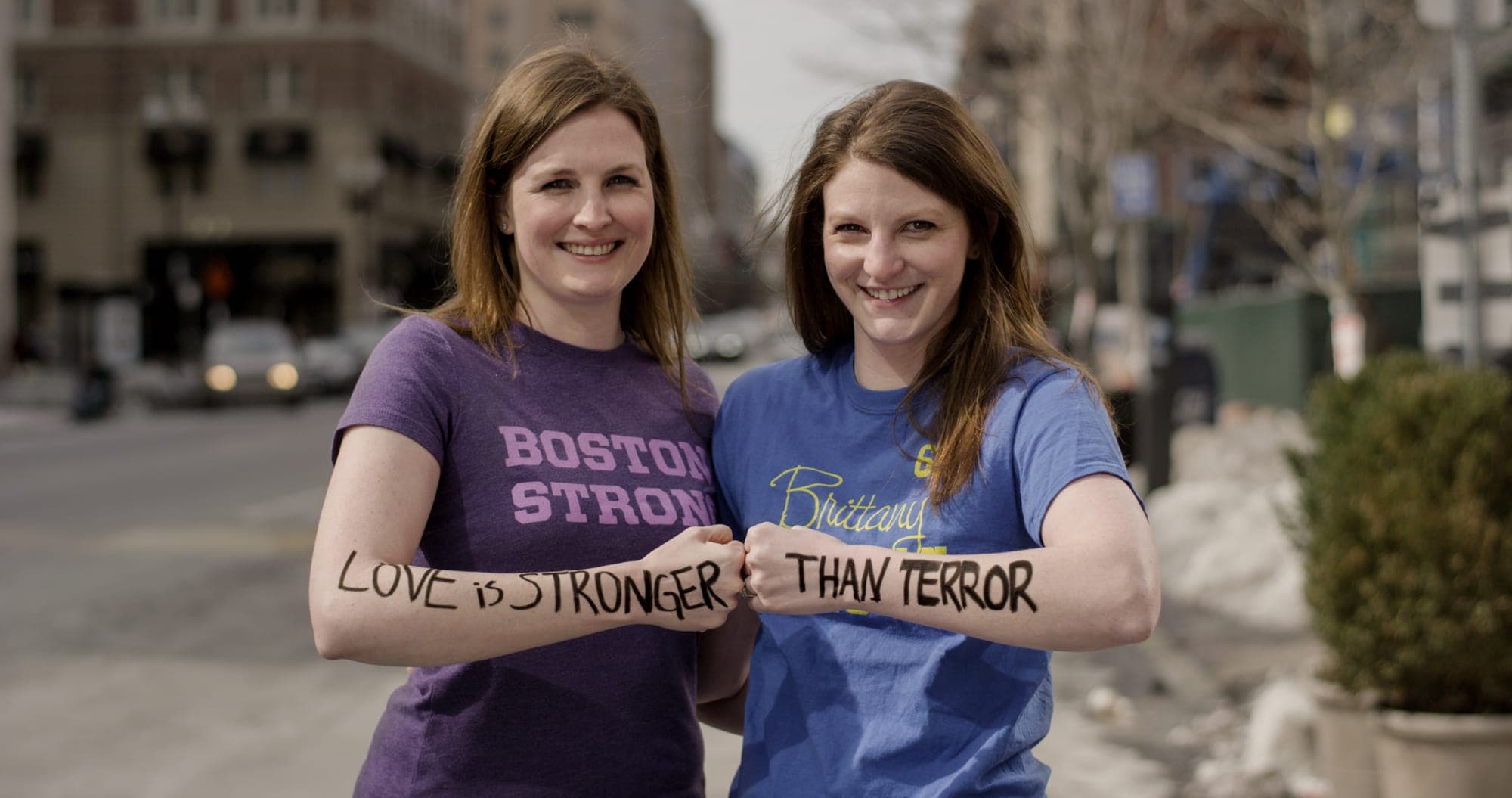
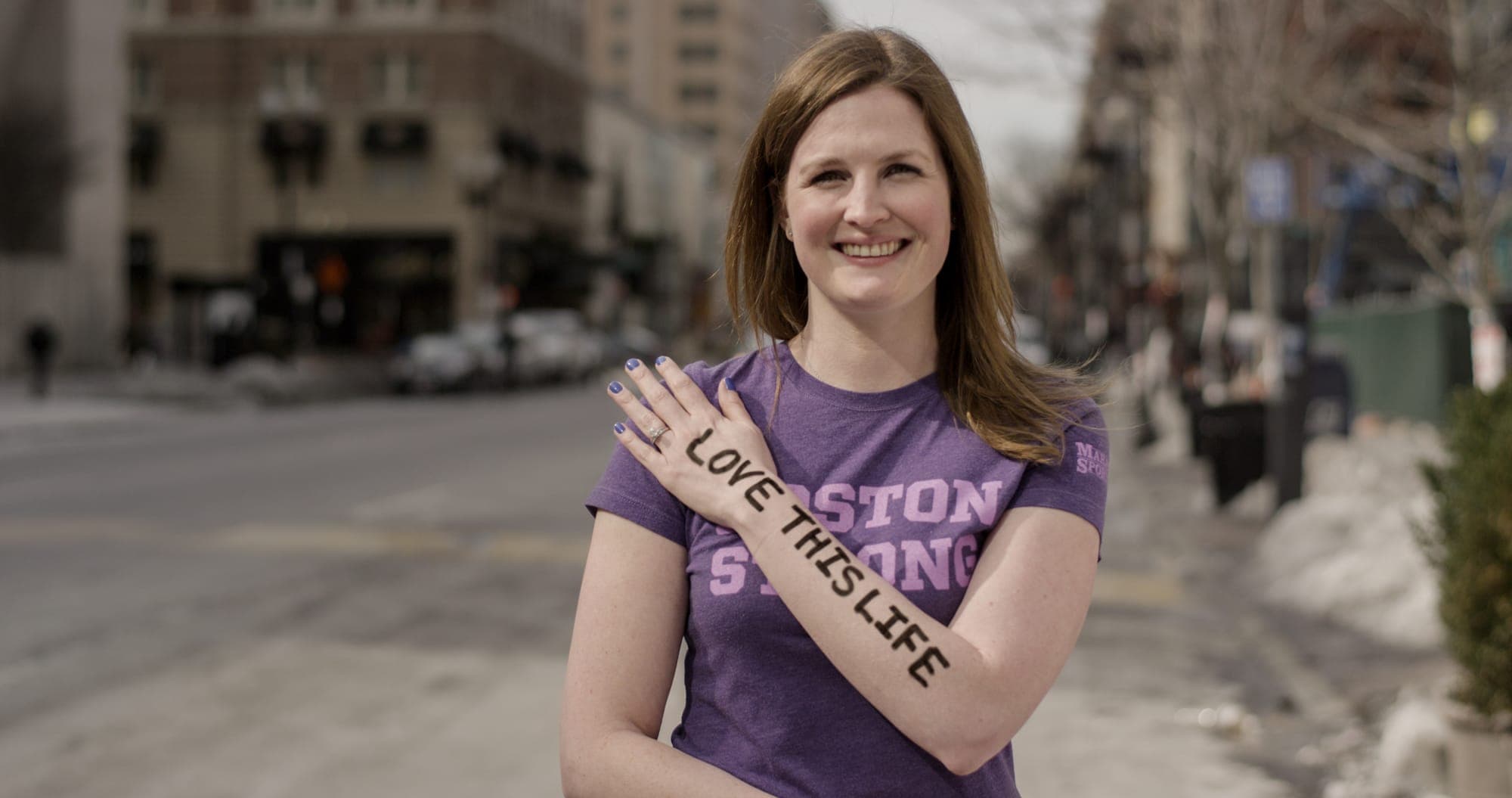
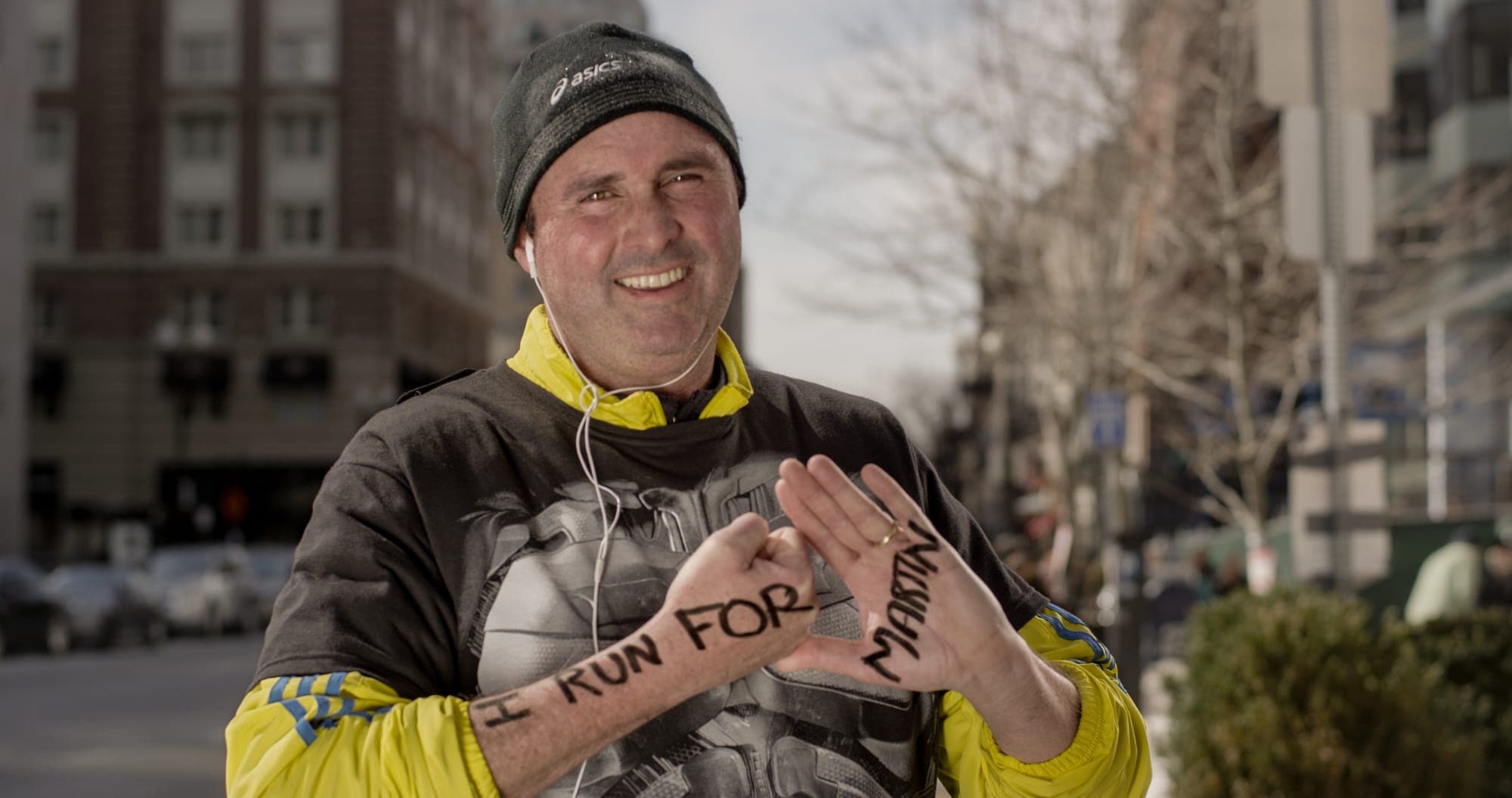
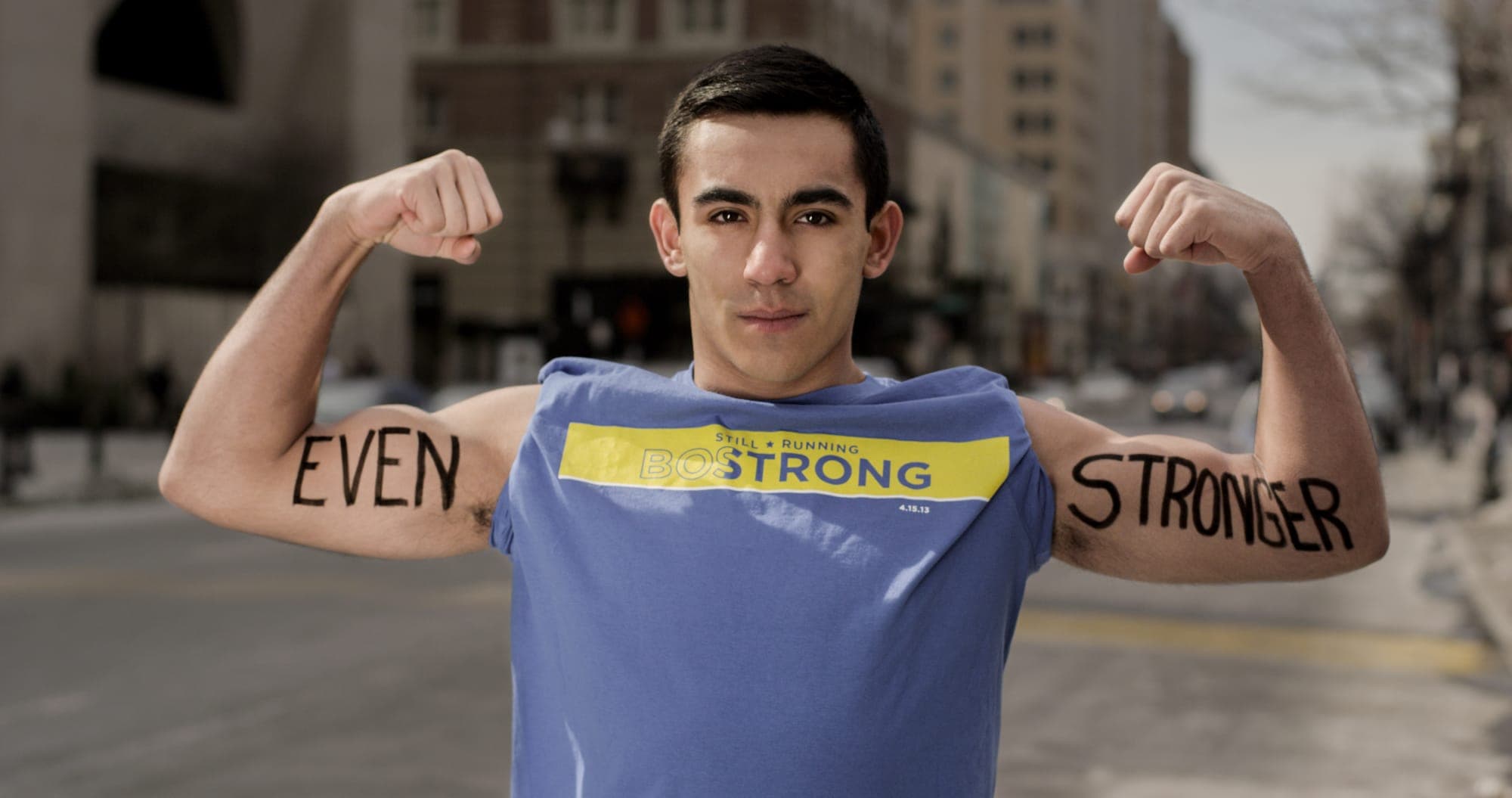
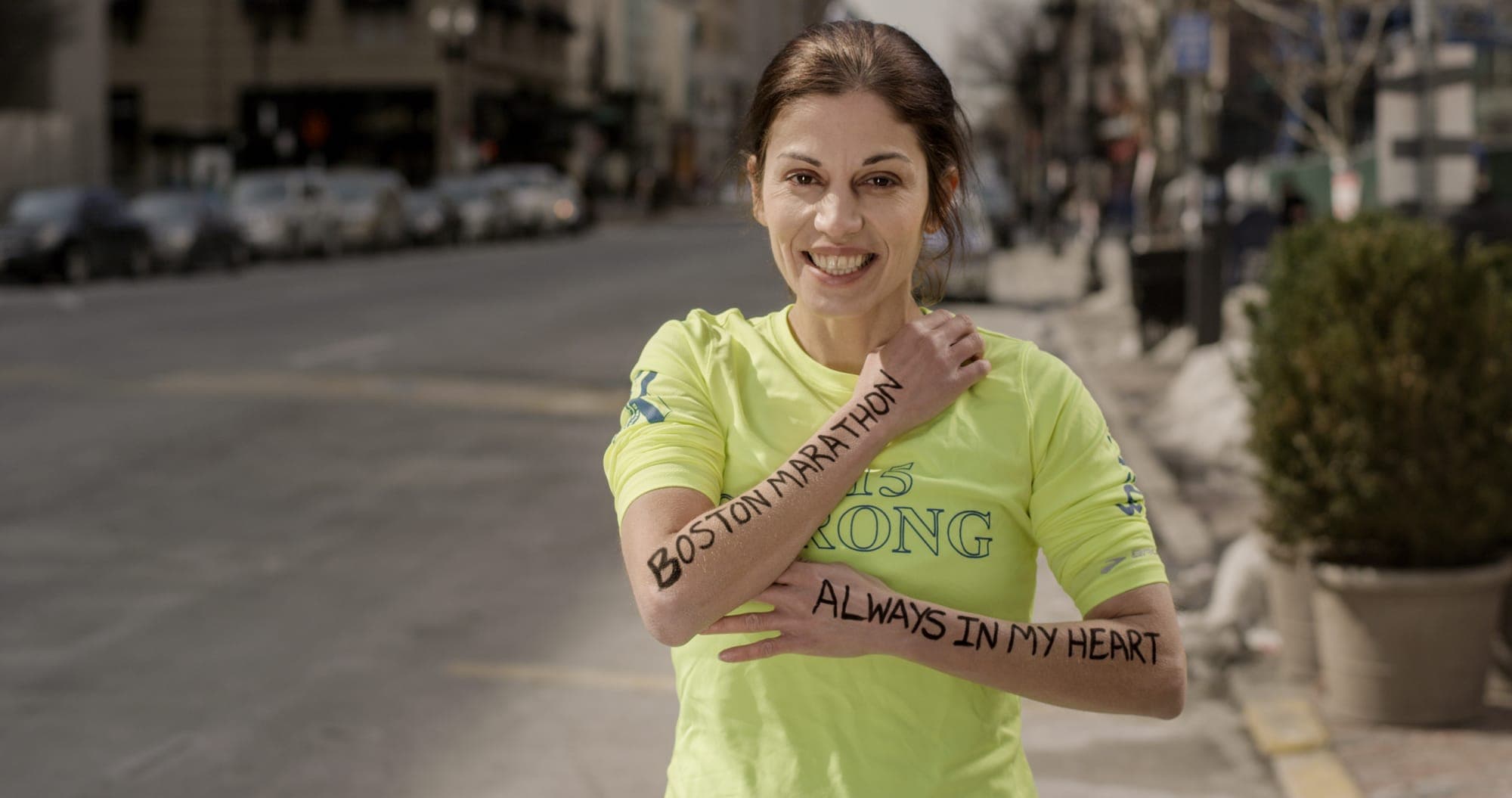
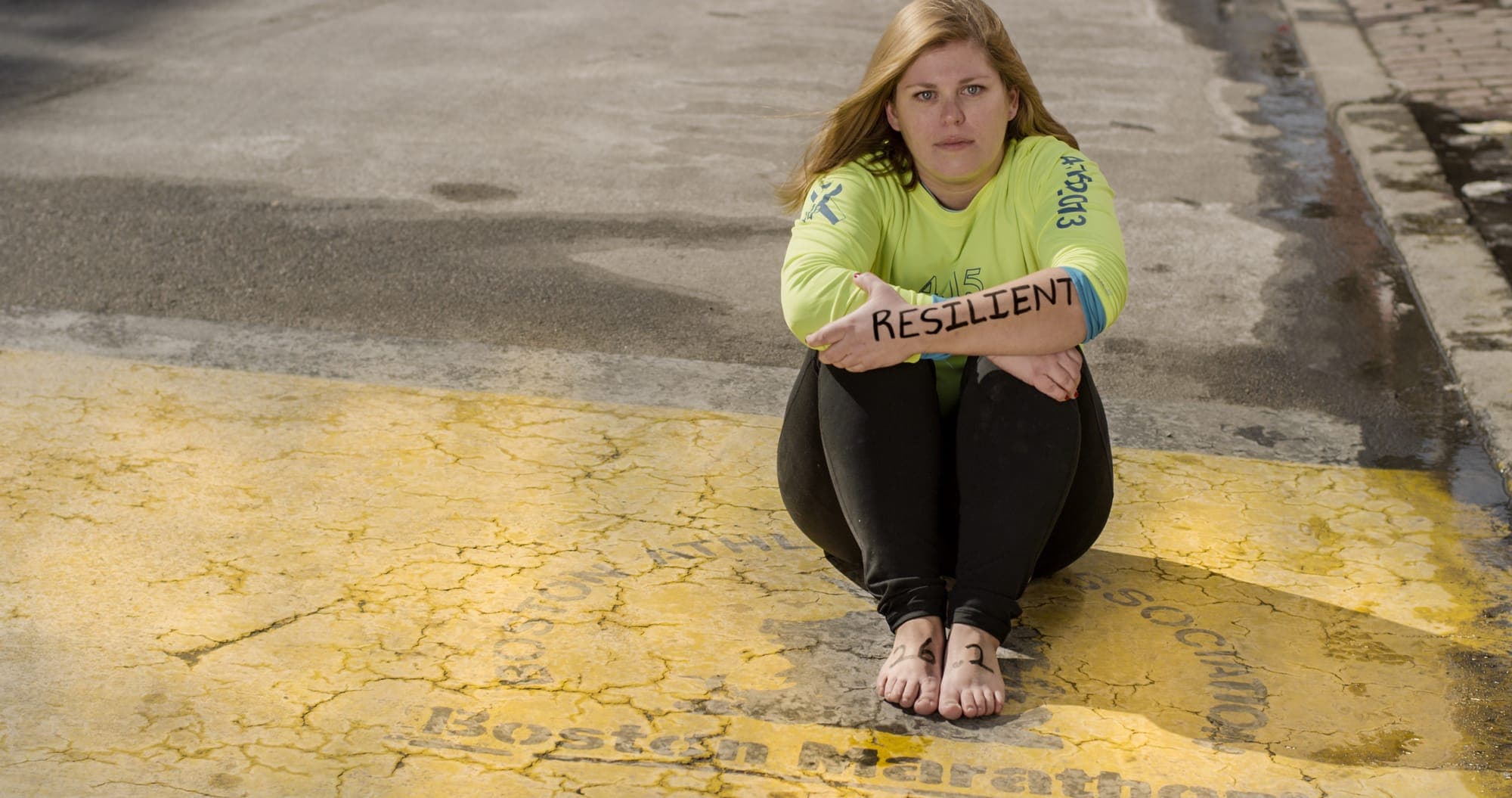
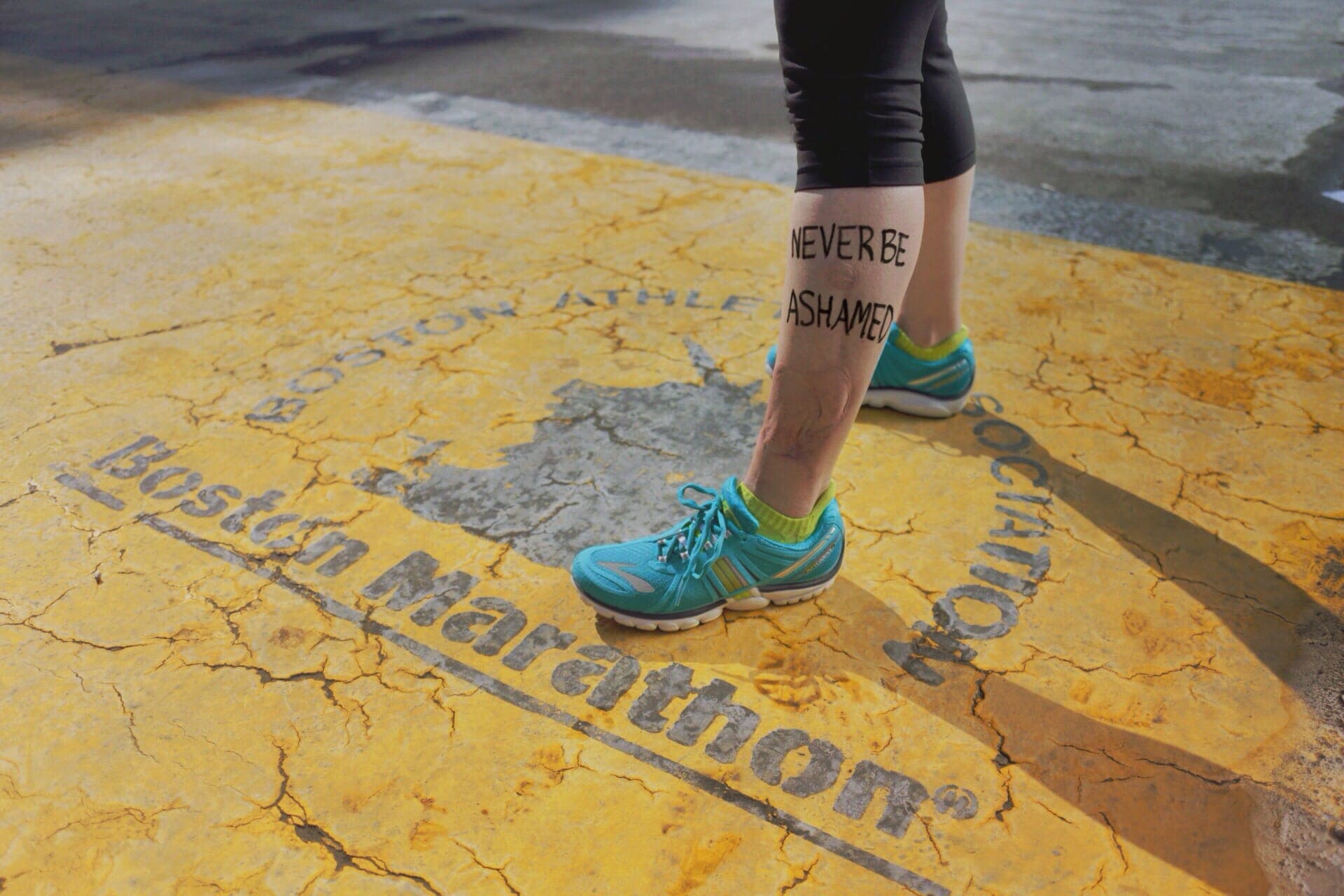
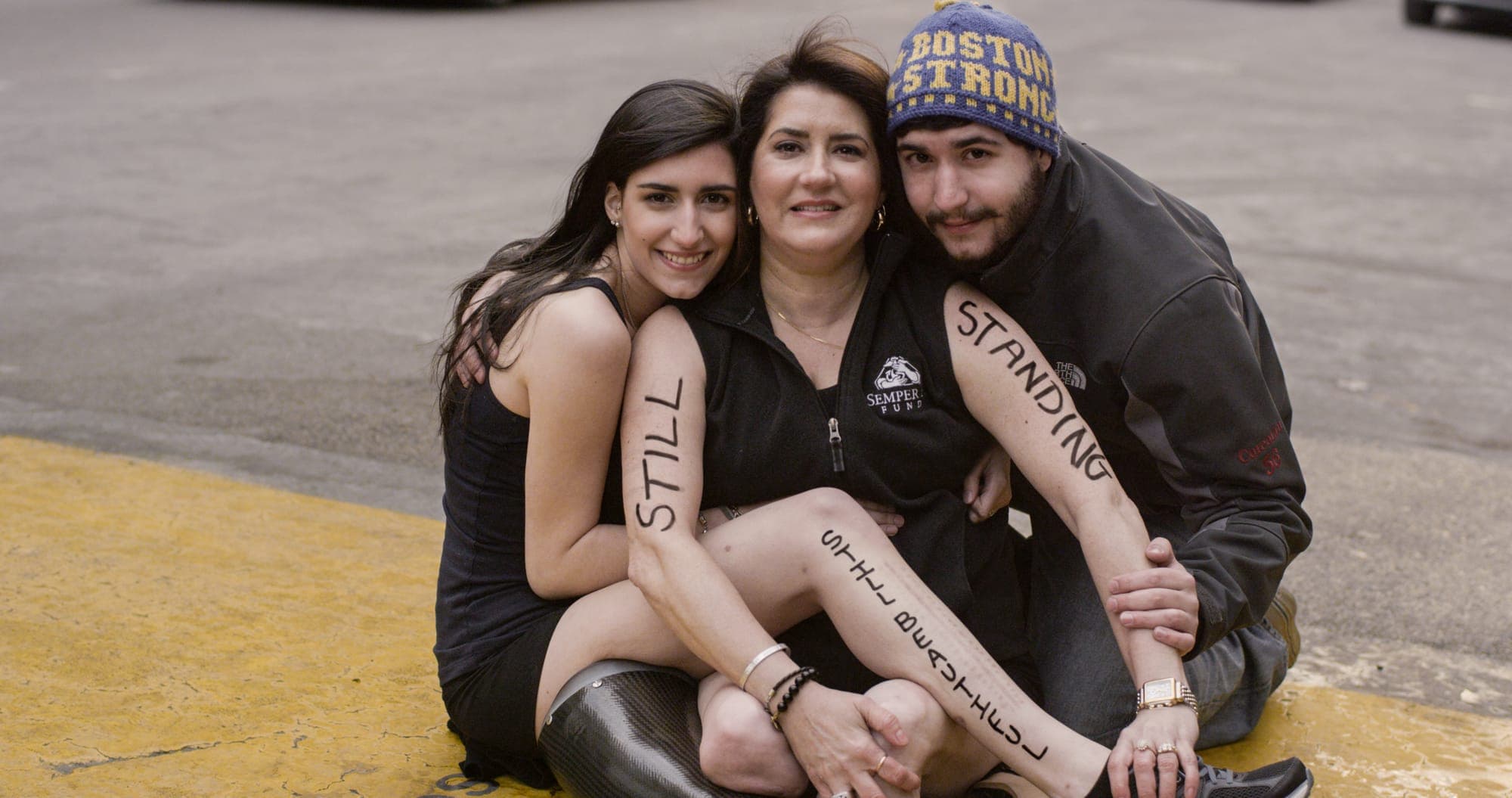
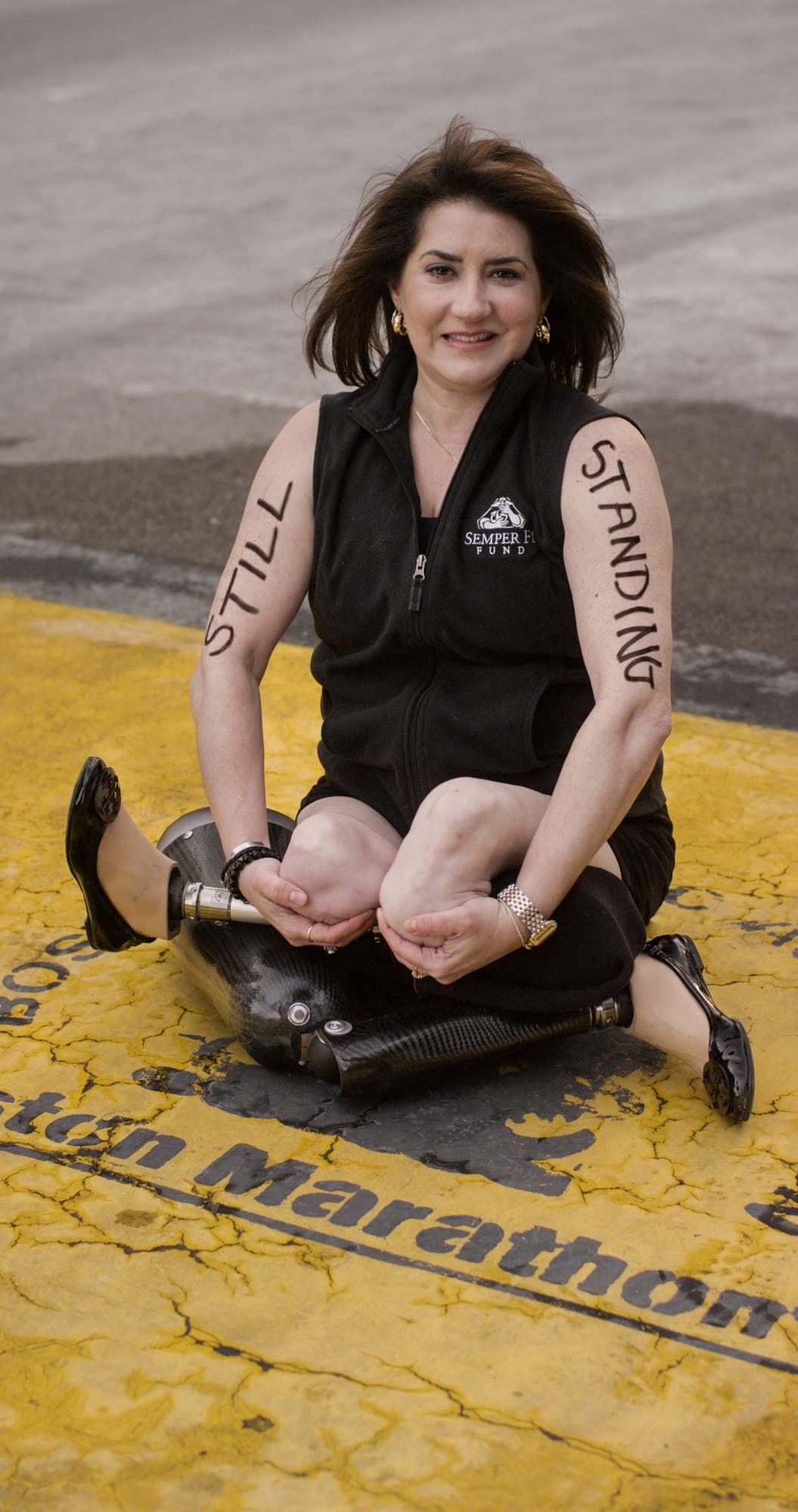
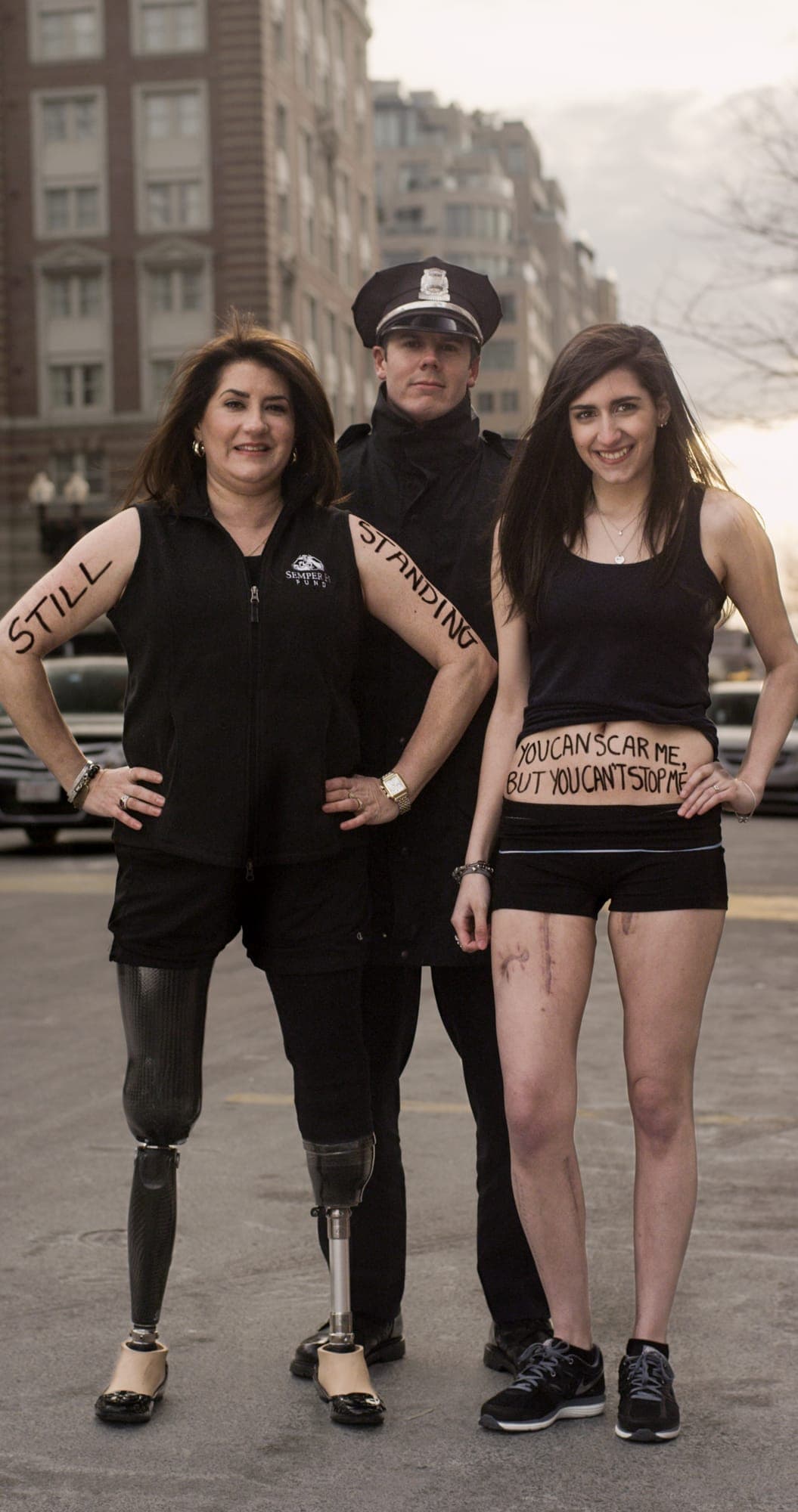
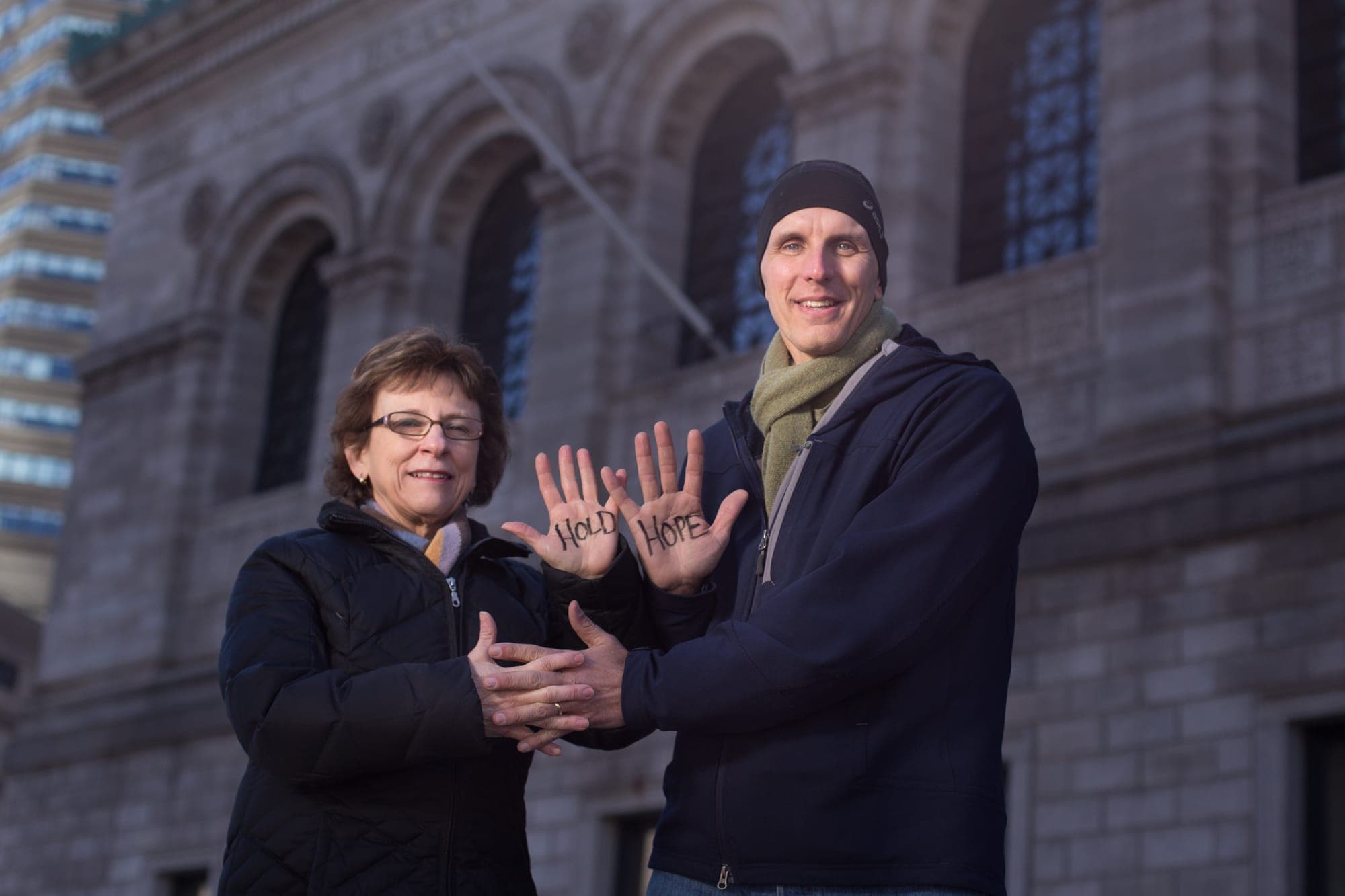
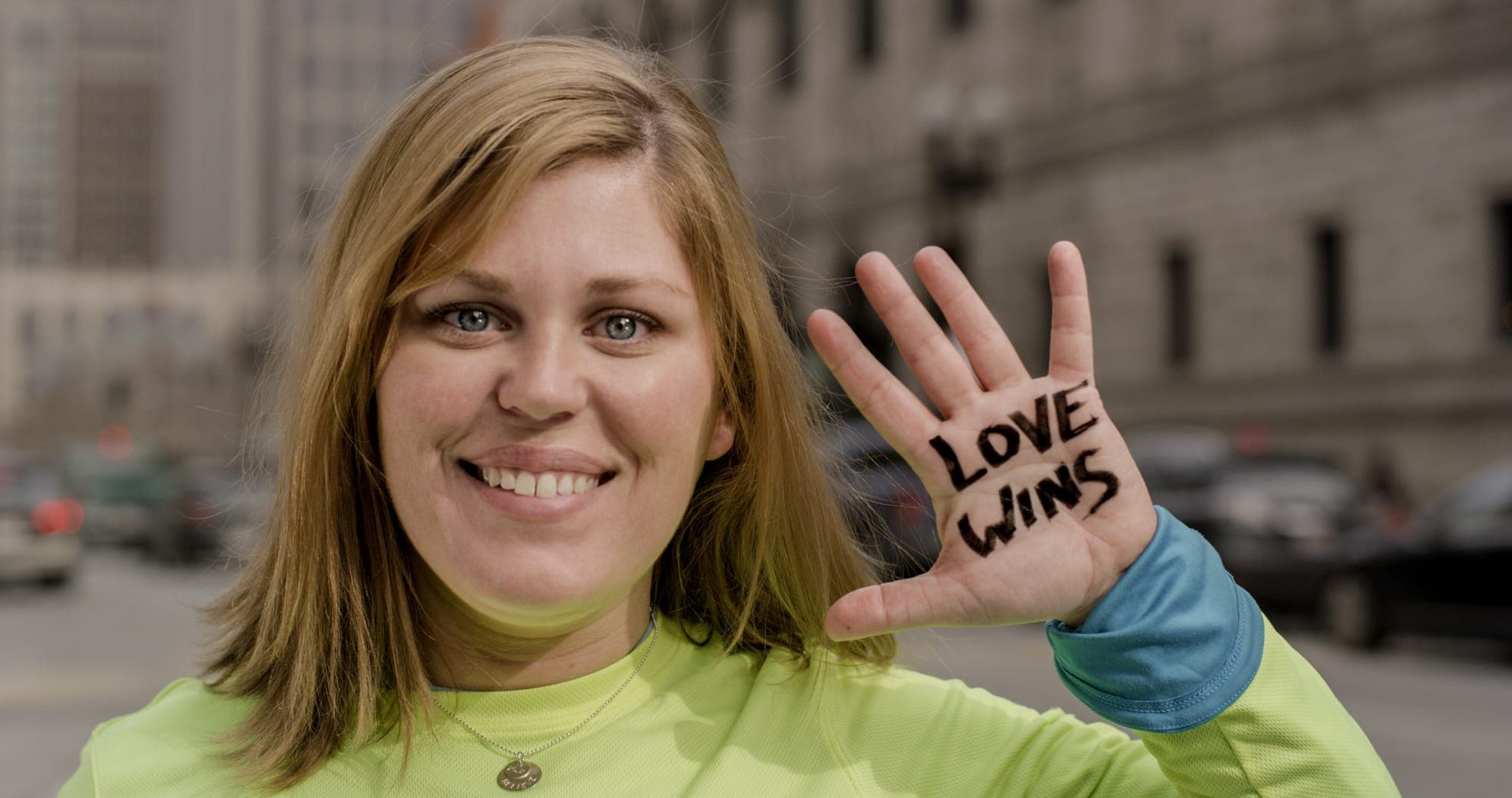
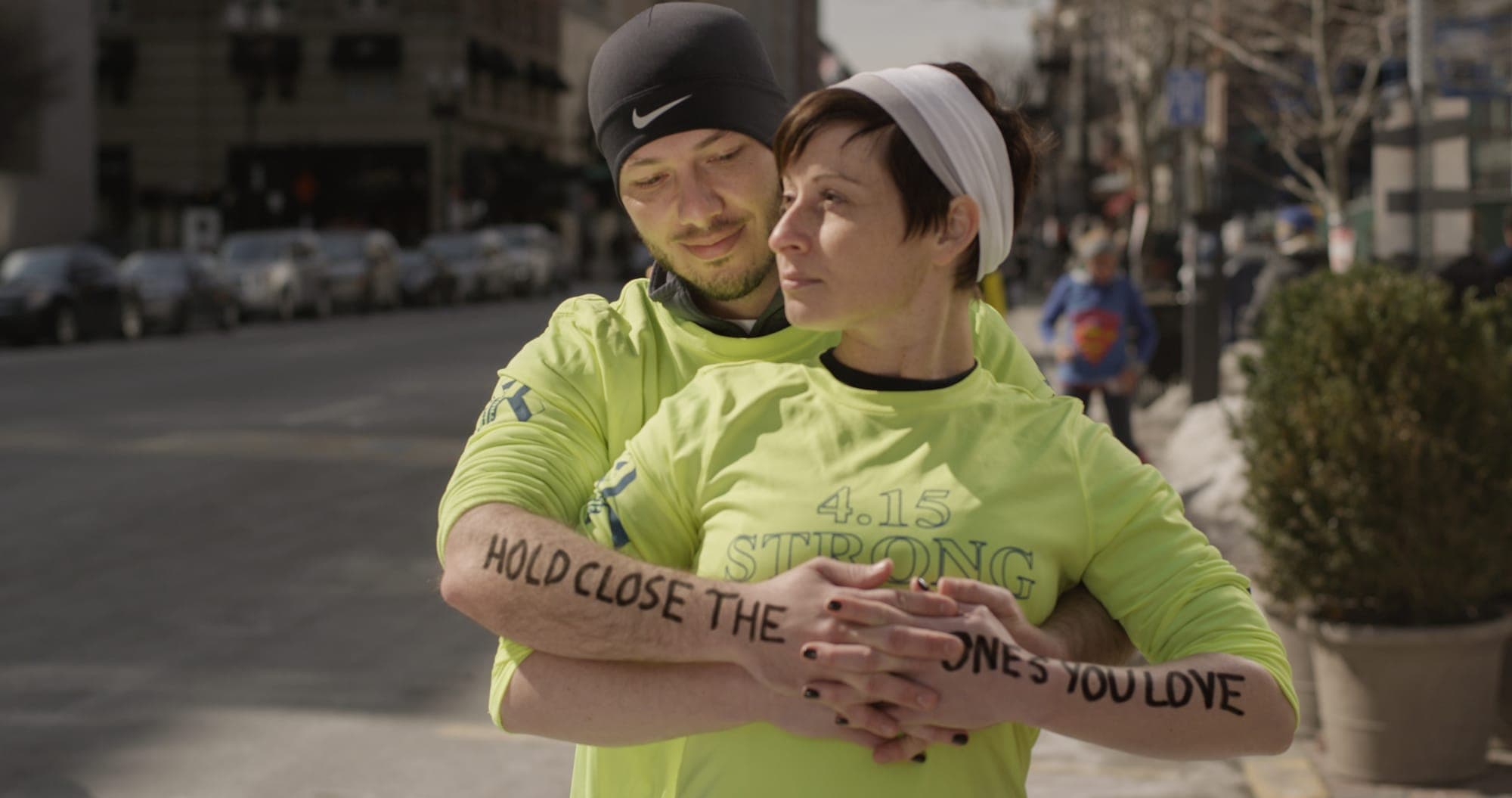
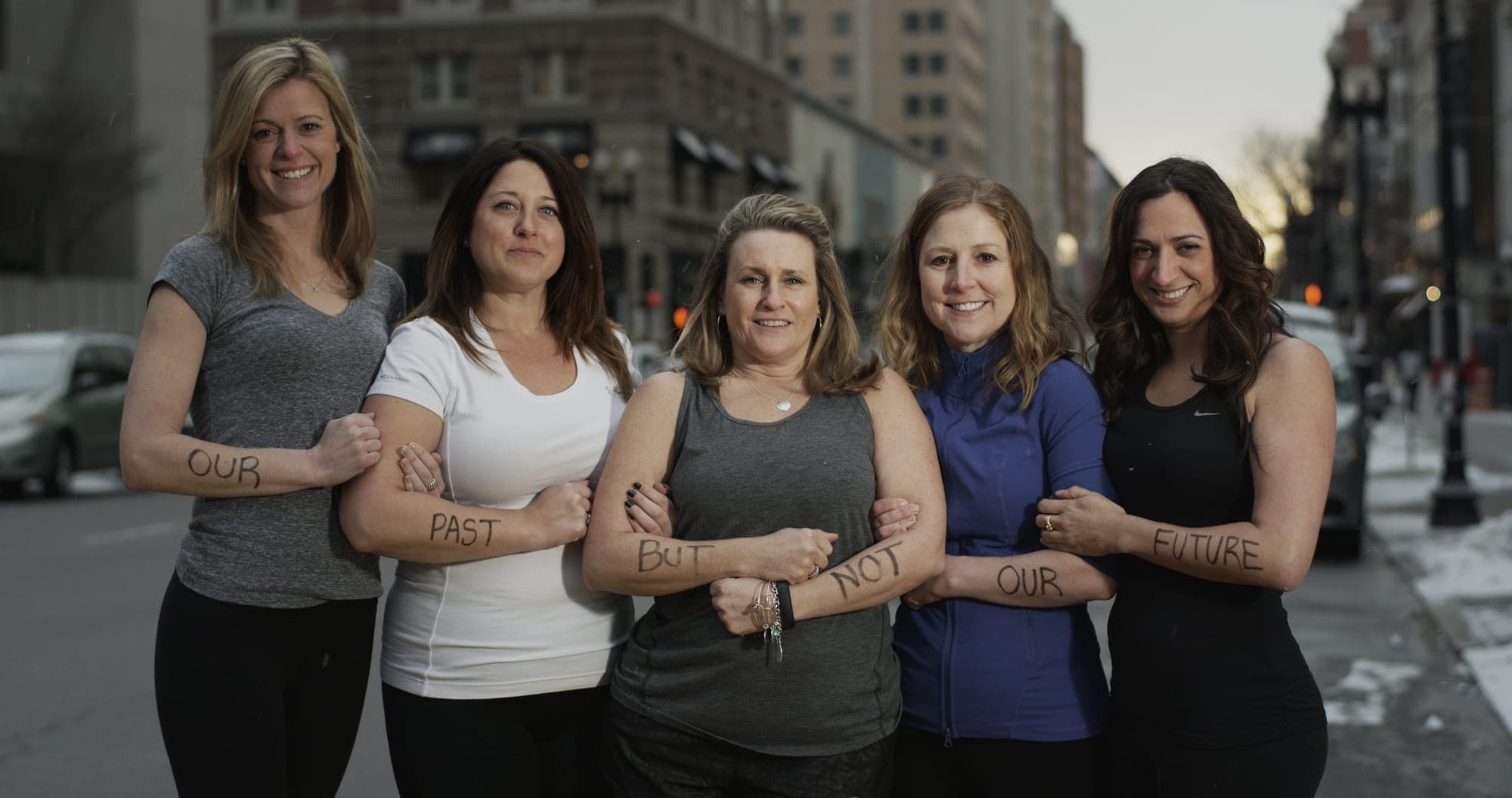
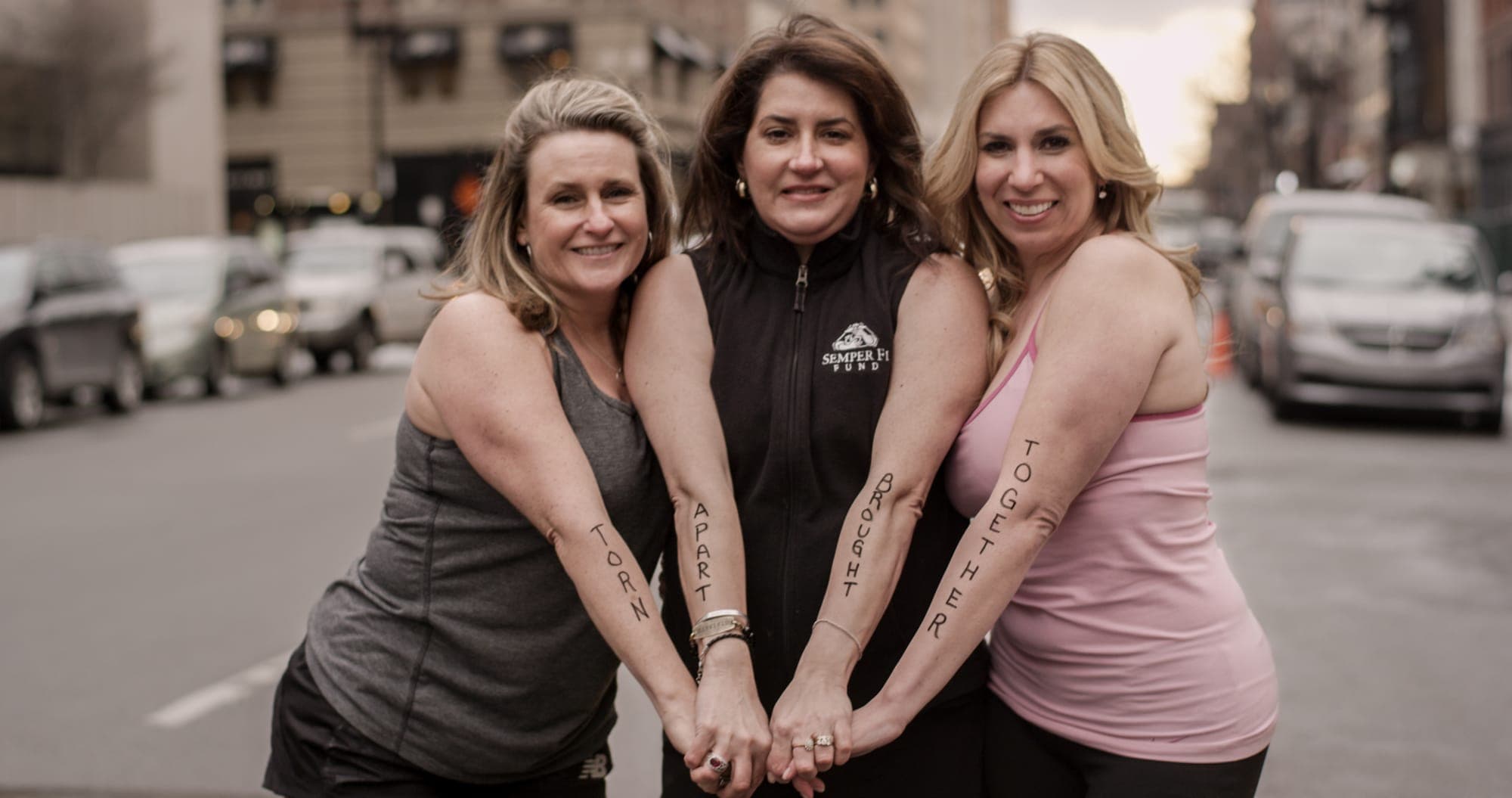
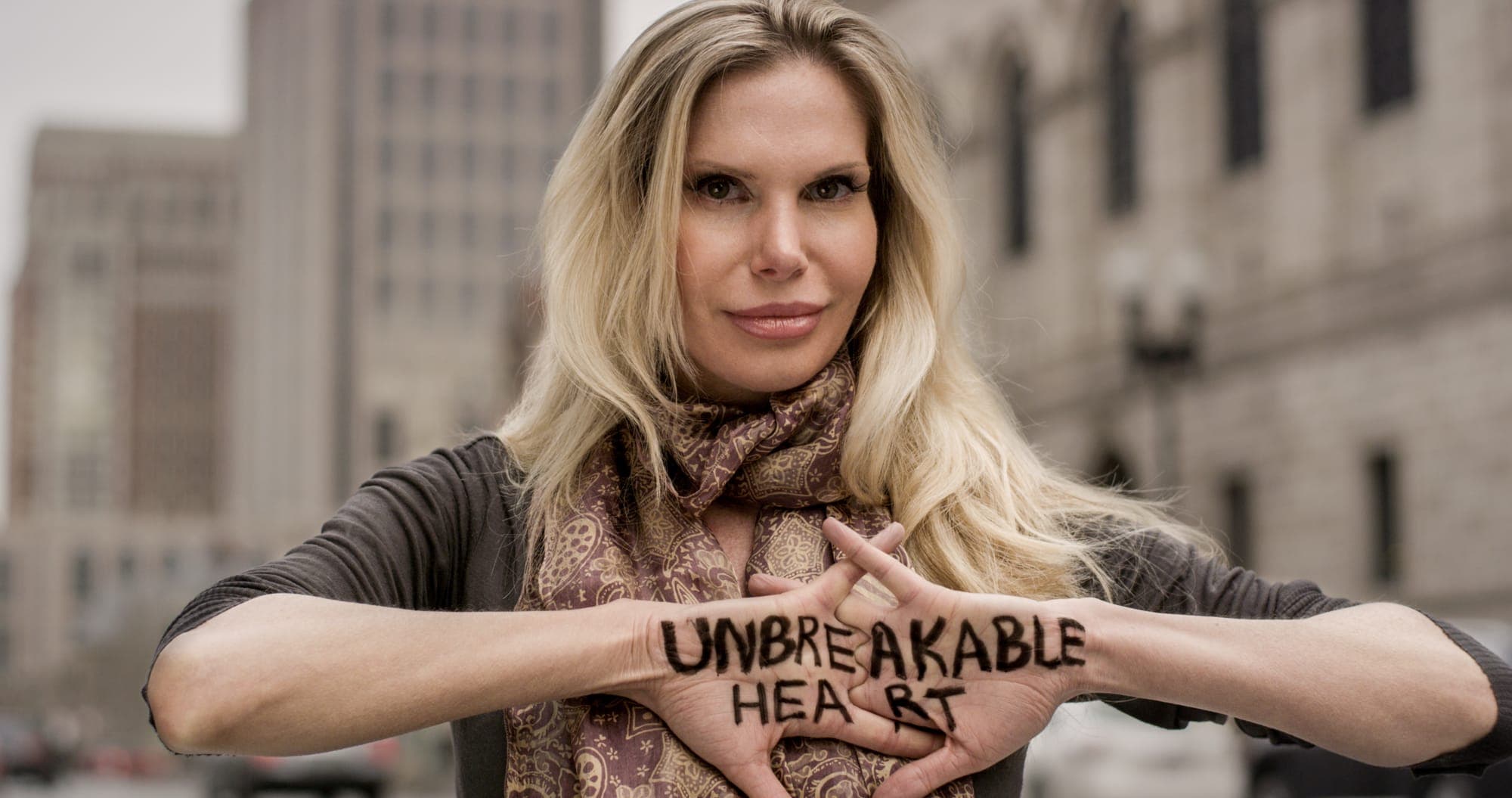
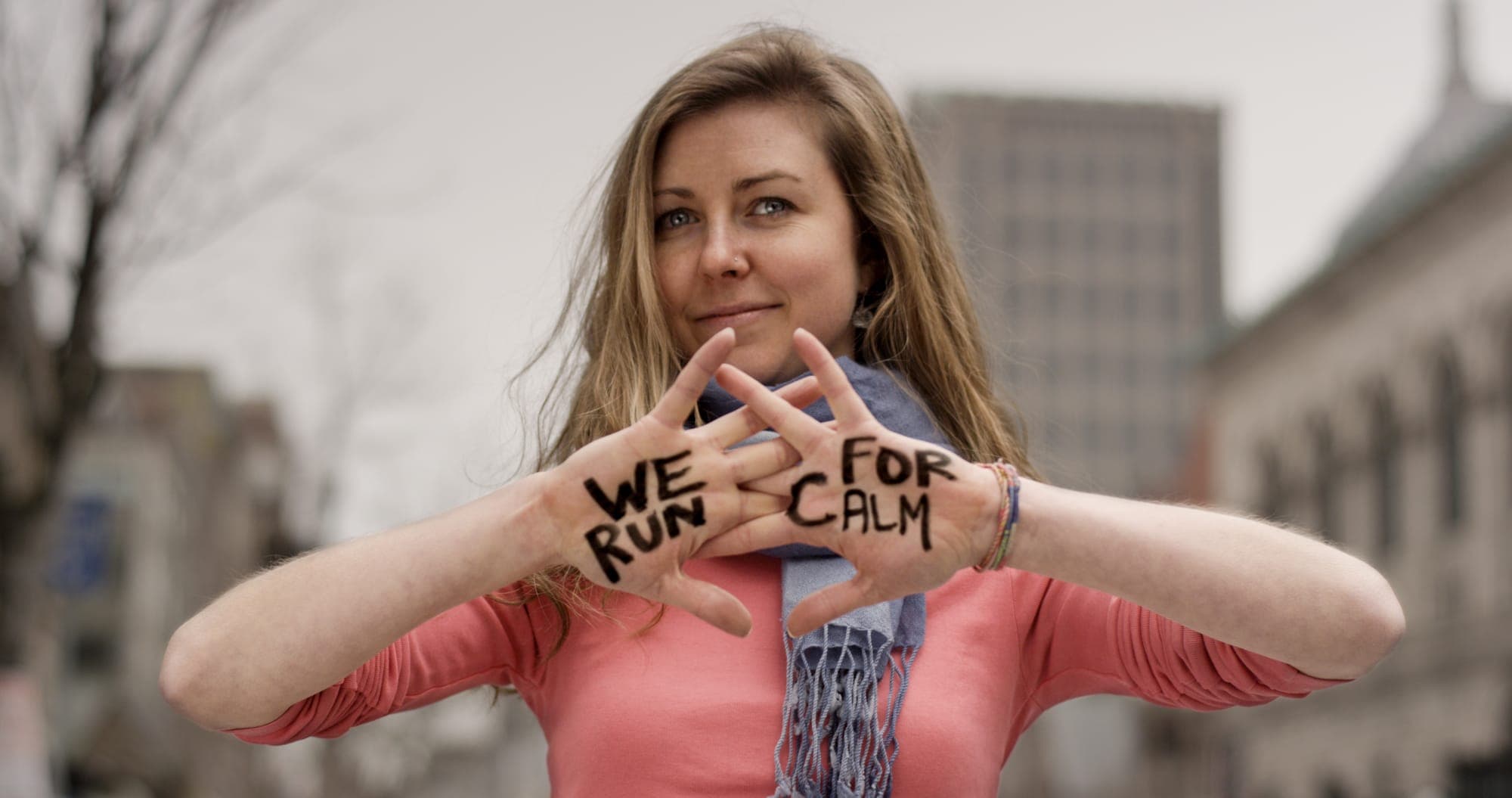
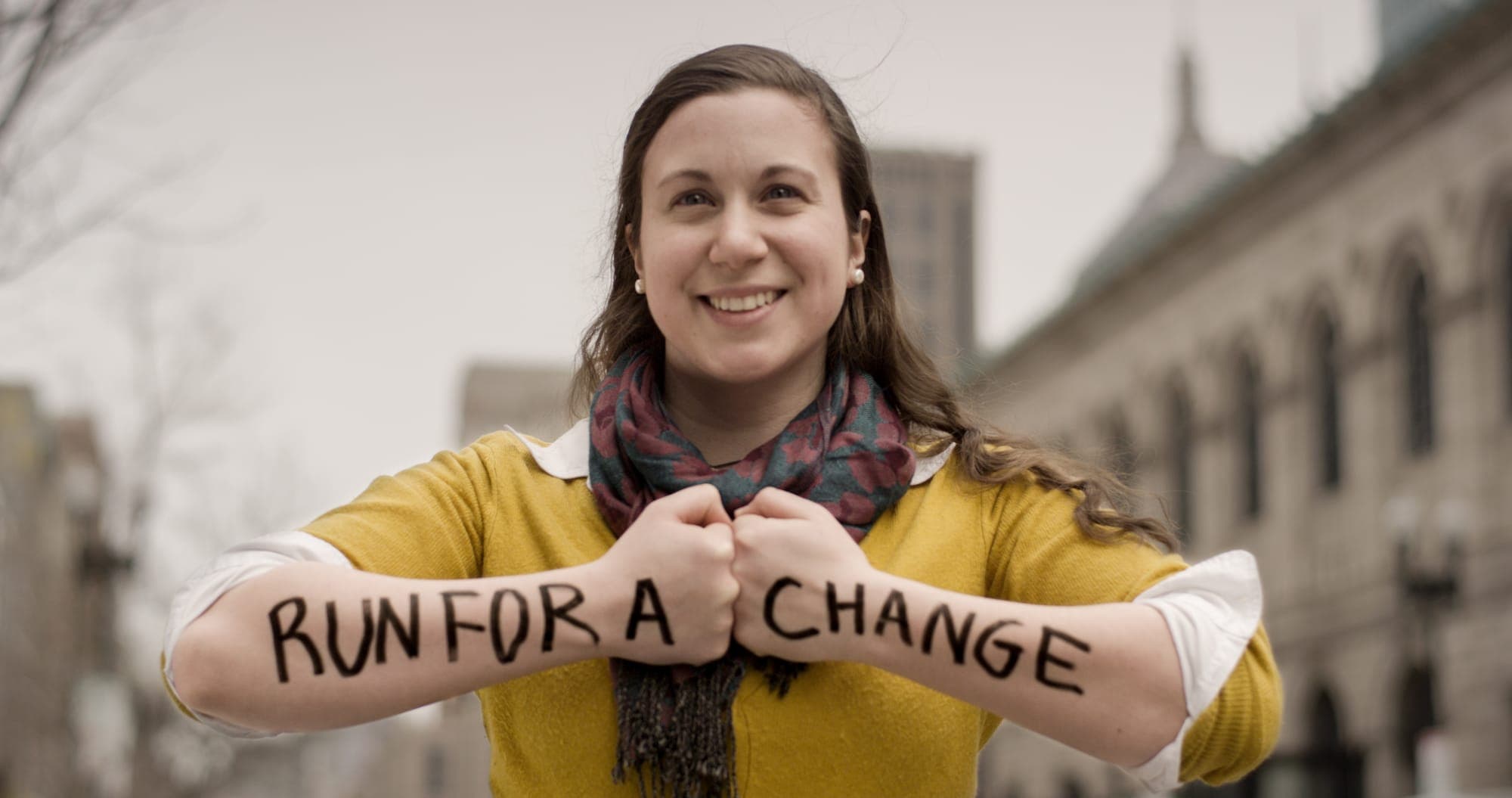
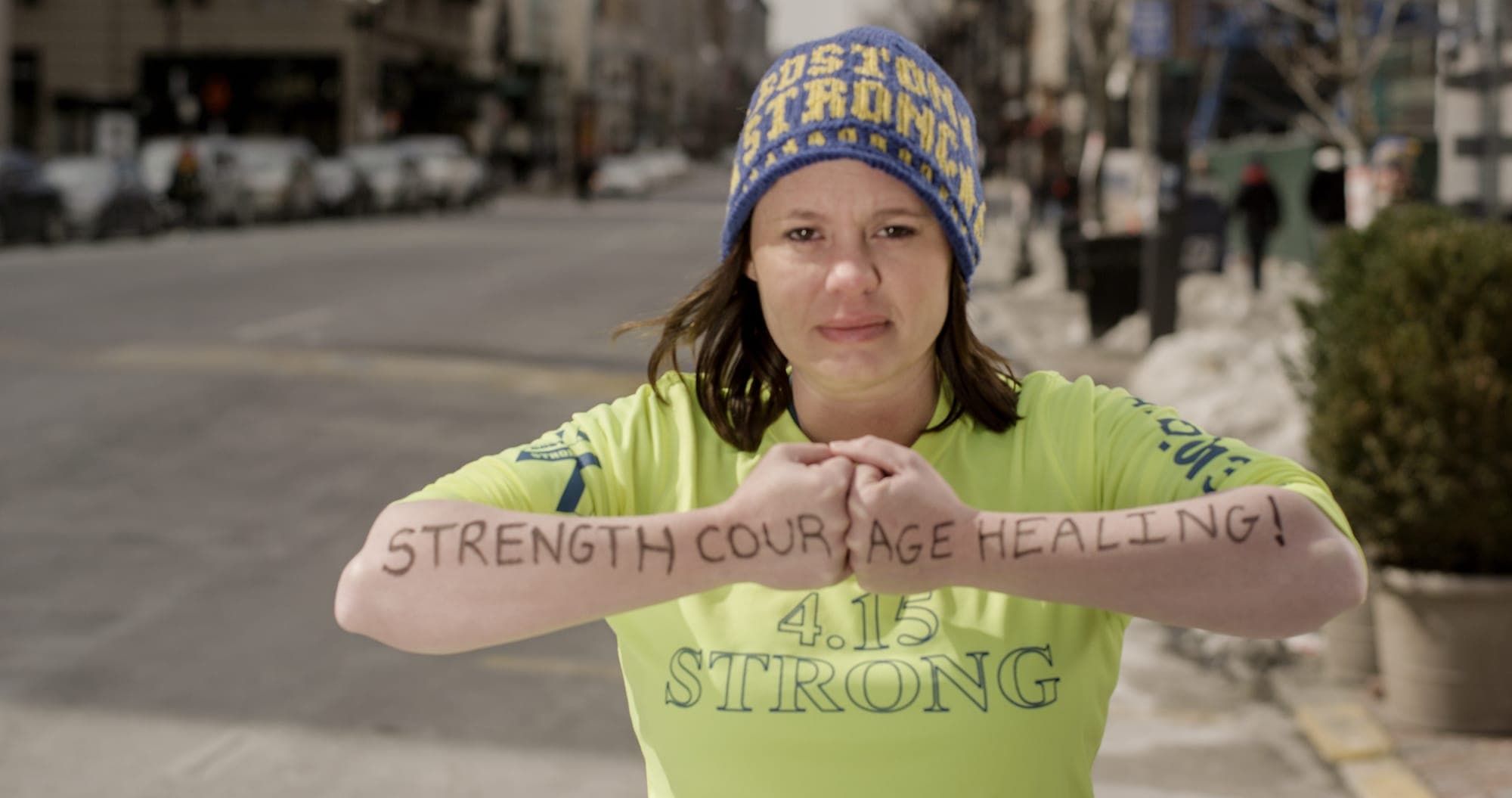
My name is Elizabeth Bermingham. I live in Waltham, MA, and I moved to Boston about seven years ago. On my body I wrote “Resilient and 26.2.” After the marathon bombing, one of the things that really seemed to resonate with me was the idea of being resilient. What does it take to come back from something that’s really difficult? A tragedy, something really unexpected, something that takes your life and completely shakes it up. And that’s what happened to me. On the morning of the 15th, I was a normal special education teacher, but by the afternoon of the 15th I felt like my life had been completely derailed and had been forever changed. So how do I get back to the person who I was, or the person who I was with a new perspective of what it’s like to encounter this type of unexpected tragedy? I’d also had a lot of previous loss in my life, so being resilient and being able to come back from difficult things was really important to me. That’s been the focus of my last year, as we’ve gone from April 15, 2013 to April 15, 2014, is how to be resilient. How do you find resiliency day to day? How do you find it in big picture? How do you become healthier, more normal, more typical, how do come back from something like this, a tragedy?
The most frightened I’ve ever been was after the first bomb went off, and I realized what was happening. I was pretty convinced that we were going to die. That building was going to fall on us, that something was going to happen. I realized pretty quickly… as soon as the bomb went off I thought, that’s a bomb and then my brain thought oh no no, it couldn’t possibly be a bomb, you’re on Boylston Street in the marathon? It’s got to be an electrical issue, something has to have exploded, a transformer. And then I heard the second bomb, and I knew that we were in very serious danger. And it wasn’t until later that I had even realized that I was hurt. But initially I knew something was very wrong, and we needed to leave immediately.
I’d say in terms of resiliency and coming back and training for the marathon, and even coming back from having something happen to you and trying to feel more normal, it’s less physically centered and it’s more in your brain almost. That it’s like your brain has to learn how to communicate again. It has to bring this experience, put it into memory. They’ve explained to us a bunch of different times in our group that flashbacks, and pieces of that, is your brain not quite communicating and not translating this experience into your normal memory. That takes a long time, and it’s really difficult, and so as you run… what I’ve found as I’m running and as I’m out on the course, I find myself both thinking about last year’s marathon and then next year’s marathon, and trying to replace in my head the images of horror with images of triumph.